
Last updated November 2, 2026
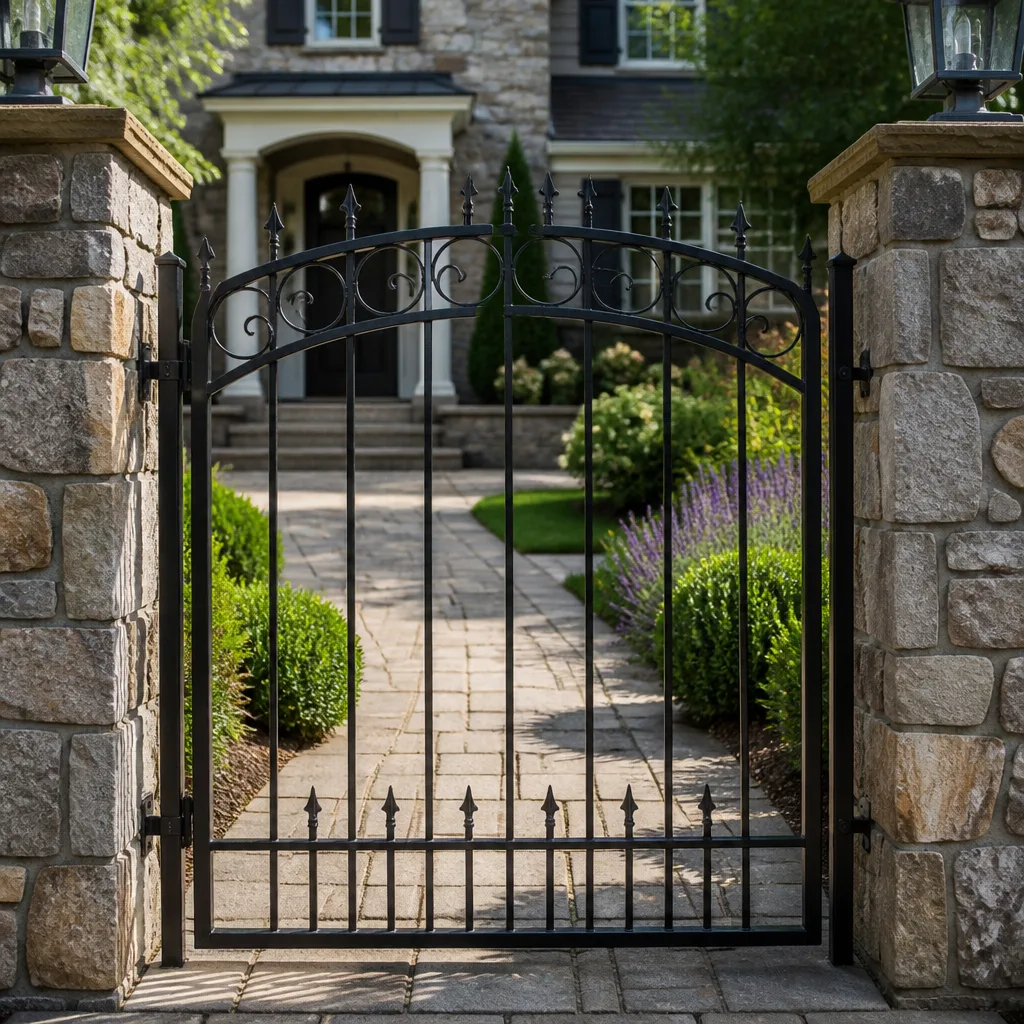 Wrought iron
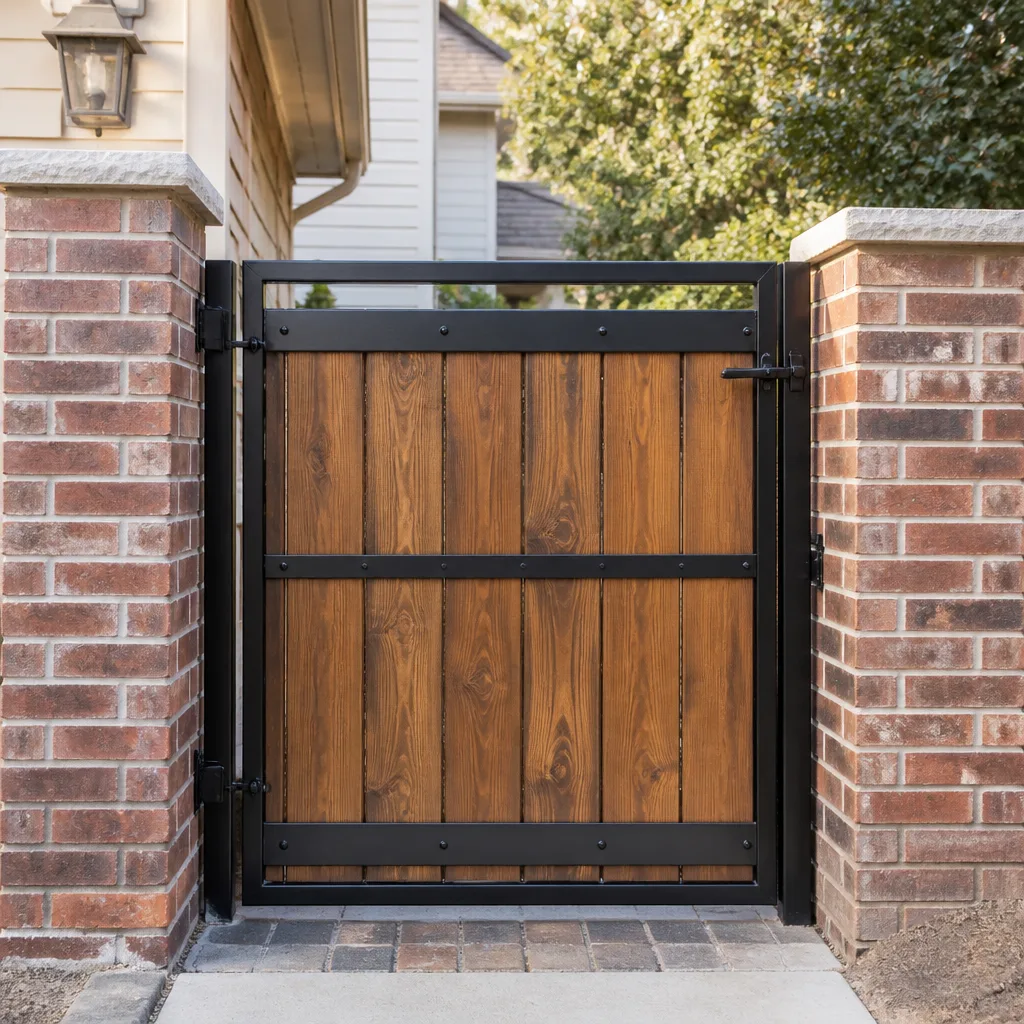 Wood & steel frame
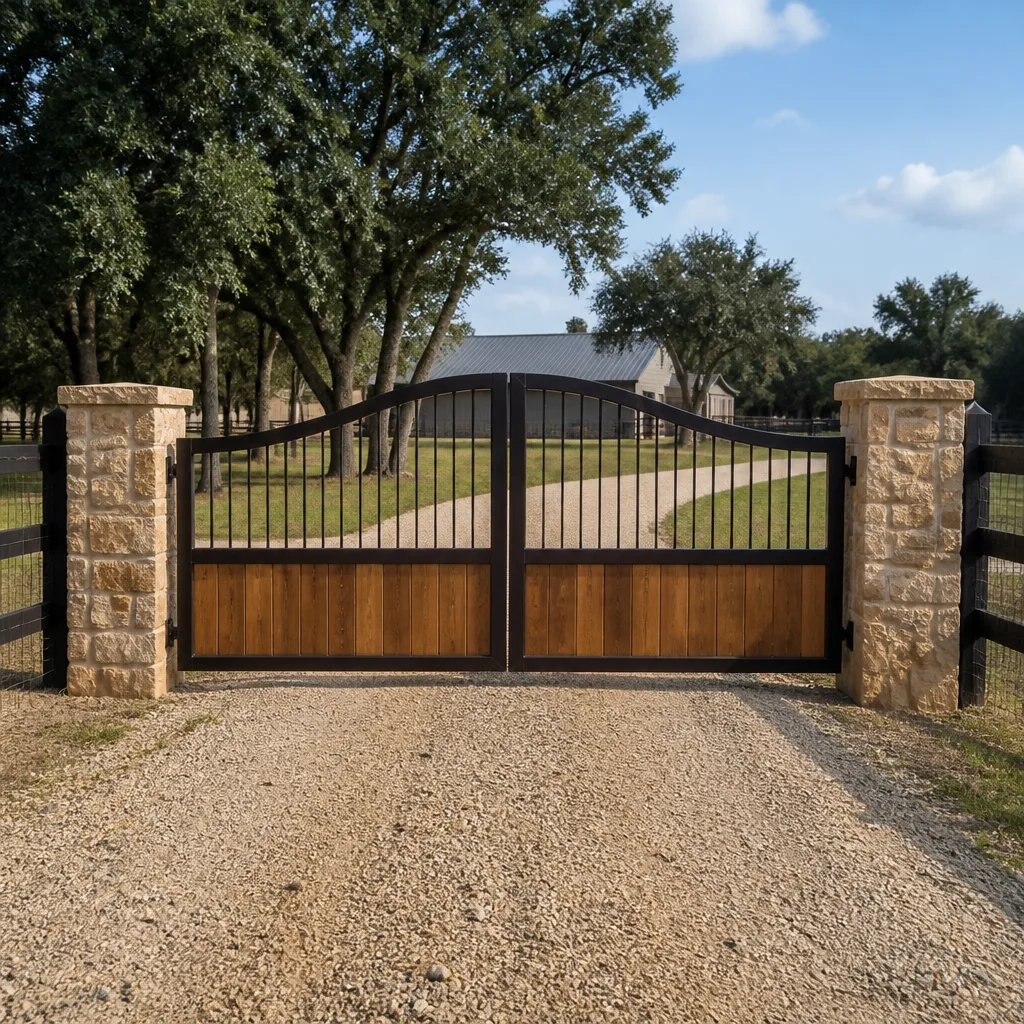 Farm & ranch
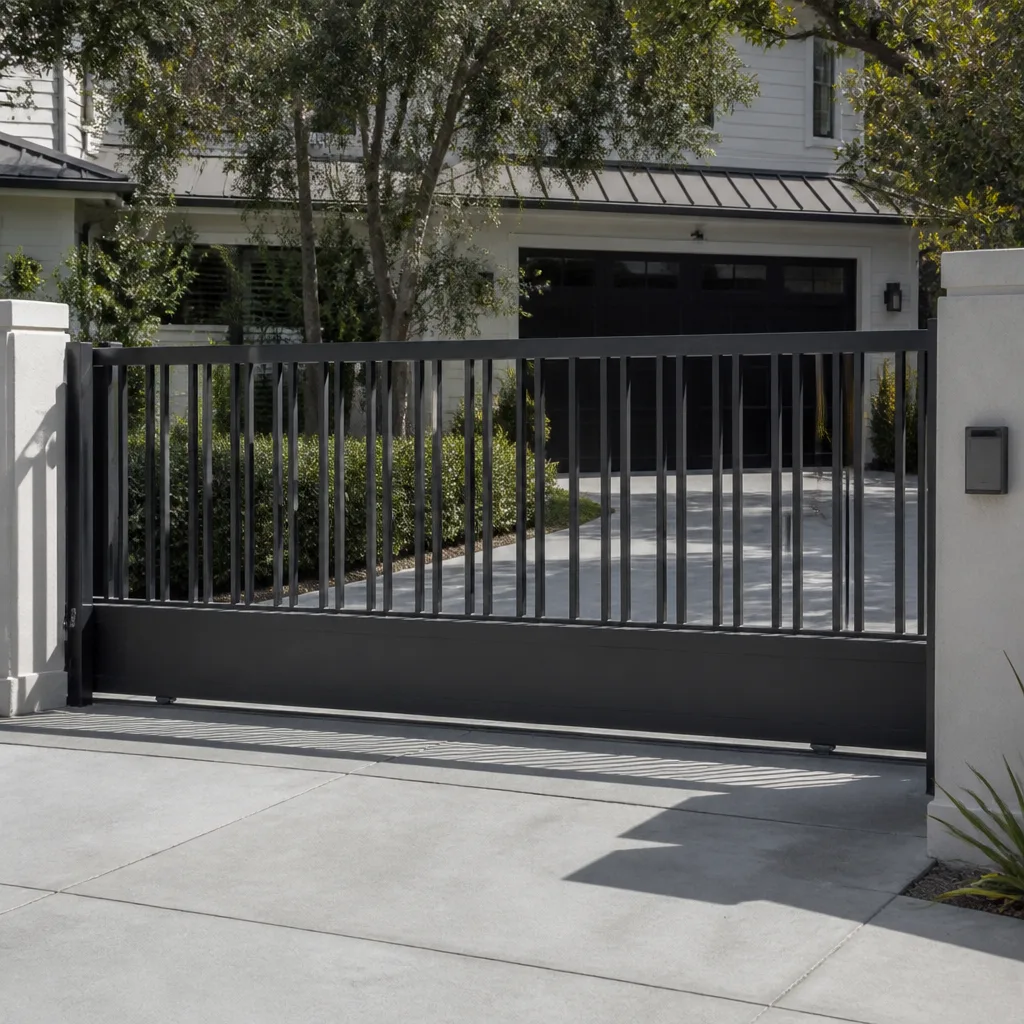 Sliding driveway gates
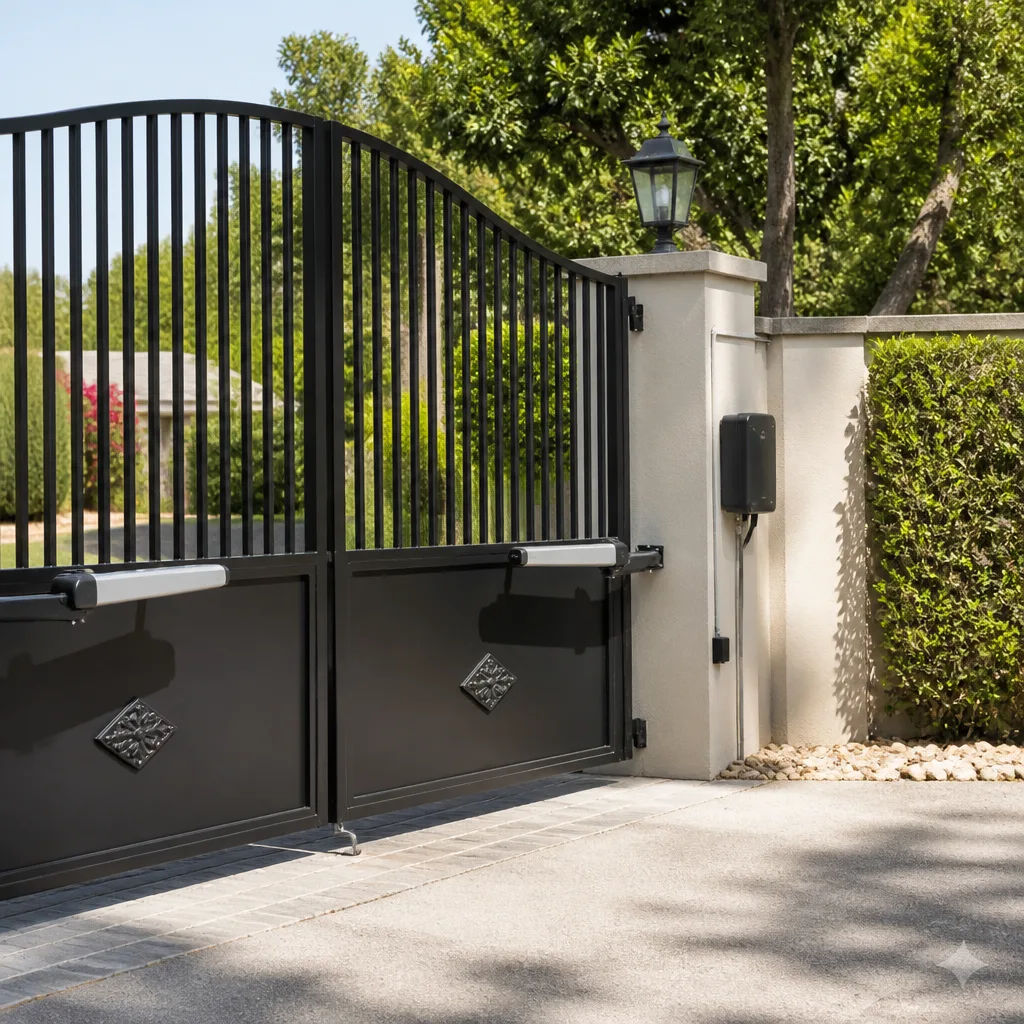 LiftMaster operators
Free on-site gate assessment - hinges, posts, and your LiftMaster or Nice gate operator checked before anything is quoted
The assessment is free and the quote is the invoice.
Get your free estimateSeasonal Gate Repair Care for Crocker-Amazon: Year-Round Homeowner’s Guide
Crocker-Amazon sits in one of San Francisco’s most distinctive microclimates, where summer fog rolls over the hills from the Pacific and settles into the valley for days at a time. The neighborhood averages 50+ fog days per year, most of them between June and August, the exact months when most homeowners skip gate maintenance because it “isn’t raining.” That assumption is what keeps us busy. Fog moisture doesn’t need a downpour to oxidize exposed terminals, swell wooden gate frames, and corrode control board connections. This complete gate repair guide for Crocker-Amazon homeowners explains what actually fails across the year, when each failure is most likely to appear, and what you can do about it before a minor issue becomes an emergency repair.
Styles & brands we work with
- Wrought iron
- Wood & steel frame
- Farm & ranch
- Sliding driveway gates
- LiftMaster operators
Quick Answer
Seasonal gate care in Crocker-Amazon means planning around fog in summer, heat spikes in September and October, and El Niño rain windows from December through March. The most important tasks are cleaning and protecting electrical connections before fog season, clearing drainage and testing backup power before the first major storm, and checking post plumb and hinge alignment after the wet season ends. Spend about 30 minutes on your gate twice a month using the checklist below, and you’ll avoid most emergency repairs.
Table of Contents
- Why Crocker-Amazon’s Climate Breaks Standard Gate Advice
- Summer Fog Season: The Electronic Corrosion Window
- September-October Heat Spikes: Control Board Protection
- Fall Pre-Storm Preparation: Drainage, Loop Detectors, Backup Power
- Winter Storm Season: What El Niño Does to Gate Hardware
- Spring Inspection: Post-Plumb, Hinges, and Rust Assessment
- Month-by-Month Two-Task Checklist for Crocker-Amazon
- Common Mistakes to Avoid
- When to Call a Professional
- Frequently Asked Questions
- The Bottom Line
Why Crocker-Amazon’s Climate Breaks Standard Gate Advice
Most national gate maintenance guides assume four seasons: spring thaw, summer heat, fall rain, winter freeze. Crocker-Amazon gets none of those in the usual pattern. We don’t get freezing temperatures that crack solder joints. We get marine-layer fog that sits on exposed metal for hours every morning. We don’t get a distinct spring thaw. We get a long wet season followed by sudden drying that shifts soil and throws posts out of alignment. And our hottest days arrive in September and October, when the rest of the country is doing fall maintenance. If you follow a generic gate care calendar here, you’ll be protecting against the wrong problems at the wrong time.
The three climate factors that actually matter for Crocker-Amazon gates:
- Summer fog moisture. Fog deposits a fine layer of salt and moisture on every exposed surface, including the inside of your gate operator housing if the weather seal is worn. This is the single biggest driver of corrosion-related failures we see in Crocker-Amazon. It happens silently, over weeks, and by the time a gate stops responding, the damage is already done.
- September-October heat spikes. When the fog clears in early fall, ambient temperatures can jump 20 degrees in a day. Control boards, already stressed from months of moisture exposure, now face rapid thermal cycling. Expansion and contraction cracks micro-solder joints. Condensation forms inside housings as temperatures swing between cool nights and hot afternoons.
- El Niño rain windows. December through March brings intense storm fronts. Water pools around post bases, saturates the soil, and causes ground movement that shifts gate posts. Loop detectors buried in the driveway can fail when water infiltrates the saw cuts in concrete or asphalt.
This guide is organized around these three local conditions, not around a generic four-season framework. If you live in Crocker-Amazon on streets like Naples, Gladstone, or Rolph, your gate experiences these forces differently than a gate in the Mission or Sunset. Understanding that difference is the whole point of seasonal care. Our Gate Repair in Crocker-Amazon page covers the repair side in more depth, but this guide is about prevention.
Summer Fog Season: The Electronic Corrosion Window
June through August is the highest-risk period for electronic gate components in Crocker-Amazon, and it has nothing to do with rain. Fog arrives most mornings, sometimes persisting through the afternoon, and it carries salt from the Pacific. That salt-laden moisture penetrates control board housings, motor enclosures, and terminal connections through worn gaskets, cracked cable glands, or simply through the breathable vents most operators include for heat dissipation. Once moisture is inside, it doesn’t just evaporate when the sun burns through. It condenses on the coolest surfaces and stays there.
Here’s what we see every fog season:
- Oxidized terminals on control boards. The low-voltage terminals where accessory wiring connects (keypads, loop detectors, photo eyes) are especially vulnerable. Oxidation increases resistance, which generates heat, which degrades the connection further. By the time a fault appears, the terminal itself often needs replacement.
- Corroded splice points in underground wiring. Any splice that wasn’t waterproofed correctly will fail within two or three fog seasons. We find these constantly on older installations in Crocker-Amazon where previous work was done with basic wire nuts instead of gel-filled connectors.
- Swelling wooden gate frames. Many Crocker-Amazon homes have redwood or Douglas fir gates from the 1970s and 1980s. Fog moisture swells these frames by 3-5%, enough to bind hinges and force operators to work harder. A swollen gate draws 15-30% more current, which accelerates motor wear and trips boards.
What to actually do during fog season:
- Inspect the operator housing seal every two weeks. Look for gaps, cracks, or loose screws on the cover. If you can slide a business card into the seam, moisture is getting in. Replace the gasket or apply a silicone sealant designed for outdoor electronics.
- Apply dielectric grease to exposed low-voltage terminals. This is a five-minute job that prevents oxidation for the entire season. Disconnect power at the breaker first. If the terminals are already showing white or green residue, call us before applying anything. The corrosion may already be advanced enough to need terminal replacement.
- Check for condensation inside the housing. Open the cover on a fog-free afternoon and look for water droplet residue or a white mineral film on the circuit board. Small amounts can be wiped with a dry cloth. If the board shows crusty deposits, the issue is ongoing, not one-time, and the weather seal needs professional attention.
If you have a Linear or Viking swing gate operator installed in Crocker-Amazon, the fog season is when we recommend a proactive inspection. These units are common in the neighborhood and handle fog reasonably well when their enclosure seals are intact, but a single degraded gasket can allow months of moisture inside before visible symptoms appear. Our Electric Gate Repair in Crocker-Amazon service includes seal inspection and terminal conditioning as part of every diagnostic visit.
September-October Heat Spikes: Control Board Protection
Crocker-Amazon doesn’t get its hottest days in July or August. It gets them in late September and early October, when the fog retreats and high-pressure systems settle over the Bay Area. Ambient temperatures can reach the upper 80s and low 90s for days at a time. Inside a metal gate operator housing mounted in direct sun, internal temperatures can exceed 140°F. That thermal load is hard on electronic components that have already spent three months in a damp, salty environment.
The specific failure modes we see during Crocker-Amazon heat spikes:
- Capacitor degradation. Electrolytic capacitors on control boards have a rated lifespan measured in hours at a specific temperature. Every 10°C above that rating cuts expected lifespan roughly in half. A board that spent summer at 40°C and then hits 55°C in October ages years in a matter of weeks.
- Motor overload trips. As air temperatures rise, the gate’s drive motor runs hotter under load. Combined with any existing hinge friction from earlier fog-season swelling, the motor can draw enough current to trip the overload protection. This creates intermittent failures that are hard to diagnose because they only occur on hot afternoons.
- Thermal cycling crack propagation. Cool foggy nights followed by hot dry days creates repeated expansion-contraction cycles on solder joints. Micro-cracks that started during fog season expand during heat spikes. Power supply failures and intermittent board resets are common presentations.
- Check that the operator housing has proper ventilation. Most modern operators include vents or a heat-shedding metal enclosure design. If the unit is boxed in by vegetation or stored items, clear at least 12 inches around all sides. Airflow is the difference between a board running at 120°F and one running at 145°F.
- Verify that the gate moves freely by hand. Open the manual release and swing or slide the gate through its full travel. Any binding, dragging, or resistance translates directly into motor heat. Fix mechanical friction before the heat spike, not during it.
- Note any odd behavior during heat waves. If the gate intermittently refuses remote commands or trips its reset on hot afternoons but works fine in the morning, write down the specific times and temperatures. That pattern is diagnostic gold and helps us pinpoint a heat-related board issue faster. This is what “diagnosed, not guessed” looks like in practice.
- Post base rust-through. Steel gate posts set directly in concrete are vulnerable at the base, where water pools and wicks up under the paint. After several wet seasons, the post develops a rust belt at grade level. We’ve replaced posts in Crocker-Amazon that looked fine from five feet away but had lost 60% of their wall thickness at the base. A post that fails during a storm takes the gate with it.
- Swelling-induced hinge stress. Frames that absorbed fog moisture all summer never fully dried before winter rain arrived. The additional swelling during the wet season can pull hinge screws loose, especially on older wood gates where the screw holes have already degraded. Listen for creaking or popping sounds when the gate moves. Those are early warnings.
- Ground movement and post plumb. Crocker-Amazon has areas of expansive clay soil, particularly on the flatter eastern blocks. When that soil gets saturated and then dries out between storms, it moves enough to shift gate posts out of vertical alignment. A gate that previously closed smoothly may start dragging on the latch side or failing to meet the magnetic lock.
- Water intrusion into buried junction boxes. If your gate wiring runs through a buried PVC junction box, storm runoff can enter through crack seams or poorly sealed conduit entries. Once water fills the box, it travels through the conduit into the operator housing. This is why some failures appear days or weeks after the rain stops.
- After each major storm, sweep or blow standing water away from post bases. Five minutes of post-storm drainage management prevents weeks of water absorption by the concrete and soil around the post.
- Watch the gate’s movement after each storm. Note any change in opening speed, closing speed, or the alignment where the gate meets the latch. Changes that appear after a storm are almost always related to ground movement or swelling.
- Do not attempt to force a gate that is binding. If the gate is stuck or moving stiffly, forcing it with the operator or a vehicle puts enormous strain on the motor, the hinges, and the post anchors. Use the manual release if you must open it, then call us. A gate that’s binding is sending a clear warning, and forcing it is how small repairs become full replacements.
- Check post plumb with a level. Place a 4-foot level against each post on two perpendicular faces. A post that’s 1/4 inch out of plumb over 4 feet is worth watching. A post that’s 1/2 inch out or more will cause visible gate misalignment and should be addressed before summer fog season adds frame swelling to the problem. Re-setting a post in Crocker-Amazon’s clay soil often requires a larger concrete footing than the original, which is one reason this repair benefits from professional equipment.
- Inspect hinge hardware closely. Remove any decorative covers and check for rust at the hinge-to-post and hinge-to-gate connections. Wiggle the gate slightly while watching the hinges. Movement at the fastener points indicates the screws or bolts are loosening inside the post or frame. We see this constantly on redwood gates that have gone through multiple wet-dry cycles.
- Assess rust on post bases and all exposed metal. Light surface rust can be wire-brushed and treated with a rust converter and repainted. Pitting that removes more than about 1/3 of the metal thickness, or rust that flakes off in layers, means the structural integrity is compromised. Steel post bases in Crocker-Amazon typically show meaningful rust after 8-12 years, so if your gate is that age and has never had its post bases treated, assume you need to look closely.
- Test the operator’s full functionality. Run the gate through 3 complete open-close cycles in the morning when it’s cool. Watch for smooth, consistent speed, proper limit settings, and correct auto-close timing. Any hesitation, grinding noise, or inconsistent speed is worth documenting before it becomes a failure.
- Clear spring growth from the gate path. Crocker-Amazon’s wet winters produce aggressive weed and ivy growth along fence lines and driveways. Vegetation against a gate frame holds moisture against metal and wood, accelerating corrosion and rot. Trim back anything touching the gate or its hardware.
- Skipping gate maintenance because it “isn’t raining” in summer. In Crocker-Amazon, the fog season is when the most insidious electronic damage occurs. Homes on fog-heavy blocks like the upper slopes of Naples and Rolph Streets see corrosion failures at double the rate of sunnier blocks just a few blocks west. If you skip summer checks, you’re skipping the highest-risk window.
- Using WD-40 on gate hinges and rollers. WD-40 is a solvent, not a long-term lubricant. It displaces moisture initially but then evaporates, leaving hinges dry and attracting dirt. Use a silicone spray or white lithium grease for metal-on-metal joints, and never on electronics.
- Ignoring slow gate operation. A gate that moves slower than it used to is not “getting old.” It’s telling you it has increased friction, a degrading motor, or low voltage. The cause is usually fixable cheaply if caught early. Wait until it stops moving entirely and the repair is often much more expensive.
- Forcing a binding gate. When a gate is stuck after a storm or heat spike, forcing it with the operator or a car damages hinges, posts, and the operator itself. Use the manual release or call us. The operator has an overload protection for a reason, and repeated overloading is how you get a total system failure.
- Painting over rust without treating it first. If you cover rust with paint, it continues to corrode underneath. Wire-wheel or sand the rust to bare metal, apply a rust converter, then prime and paint. For structural rust on post bases, this is not a DIY fix if the pitting is deep.
- Neglecting the battery backup. If your operator has a battery backup and you never test it, assume it won’t work when you need it. Batteries in Crocker-Amazon’s climate typically last 2-4 years. Test annually in November.
- Hiring a general handyman for electric gate diagnostics. We see the results of well-intentioned generic repairs all over Crocker-Amazon: spliced wires with the wrong connectors, boards replaced when a sensor was the real fault, and operators incorrectly paired with gate size and weight. Electric gate diagnosis requires brand-specific knowledge that a generalist doesn’t have. If your gate has a control board, loop detector, or automated operator, the repair is beyond general handyman scope.
There’s not much you can do to change the weather, but you can reduce the impact:
For commercial properties in Crocker-Amazon running DoorKing entry systems, Gate Repair services for heat spike preparation matter even more. These units cycle hundreds of times per day, and accumulated thermal stress on high-cycle control boards is a leading cause of mid-autumn failures around apartment buildings and multi-unit developments near Mission Street.
Fall Pre-Storm Preparation: Drainage, Loop Detectors, Backup Power
November in Crocker-Amazon is the window for storm preparation. The first major El Niño-driven rain front usually arrives in late November or early December, and once the ground is saturated, tasks that were simple in dry conditions become difficult or impossible. Drainage clearing, loop detector sensitivity adjustment, and backup power testing are the three tasks that save the most headaches when heavy rain hits.
1. Drainage clearing around post bases and operator pads
Walk the gate area after the first light rain and watch where water pools. The most common trouble spots in Crocker-Amazon are the low corner of the driveway, the base of the hinge-side post, and the pad where the operator is mounted. Leaves from street trees (the neighborhood has large Monterey pines and eucalyptus in many yards) clog drainage channels every fall. Clear all debris from a 3-foot radius around each post base. If water ponds against a post, it will work its way into the post-to-concrete joint, accelerate rust at the base, and in clay-heavy soil sections of the neighborhood, contribute to post leaning during winter storms.
2. Loop detector sensitivity adjustment
Your gate’s loop detector uses an inductive loop buried in the driveway to detect vehicles and hold the gate open. When fall moisture saturates the ground, it changes the electrical characteristics of that loop. Detectors set for dry-soil conditions often become oversensitive or undersensitive when the soil is waterlogged. An oversensitive loop can cause phantom triggering, where the gate opens for no reason or refuses to close. An undersensitive loop fails to detect smaller vehicles. Many Ghost Controls and DoorKing systems installed in Crocker-Amazon have adjustable sensitivity settings on the detector module. If you’re comfortable with the manual, check the current setting and test operation during the first wet week of November. If the gate behaves erratically after rain, the loop or detector probably needs professional adjustment.
3. Backup power testing
Power outages during winter storms are common in Crocker-Amazon, especially on the hillside blocks where lines are above ground. If your gate operator has a battery backup (standard on most modern Viking and Ghost Controls units), test it in November. The test procedure is simple: disconnect AC power at the breaker and attempt to open and close the gate from a remote. If the gate moves slowly, struggles, or doesn’t move at all, the battery has either aged out or wasn’t charging properly. Replace it now, not during an outage when you need the gate to open. For manual gates without operators, this is the time to check that the manual release mechanism operates smoothly if you do have an operator installed but rarely use the release.
If any of this feels beyond what you want to handle, our Gate Installation in Crocker-Amazon page covers full-system replacement, and our repair service can handle pre-storm inspection as a stand-alone visit. The cost of an inspection is a fraction of an emergency storm repair.
Winter Storm Season: What El Niño Does to Gate Hardware
December through March is when Crocker-Amazon gets its meaningful rainfall. In a strong El Niño year, we can see 20+ inches over the season, and the combination of saturated soil, heavy wind gusts, and road salt runoff creates a specific set of gate failures. This season is less about electronics and more about mechanical stress and water intrusion.
The failure patterns we see in Crocker-Amazon during winter storm season:
What you can practically do during storm season:
For properties in Crocker-Amazon using Ghost Controls operators on rural-style driveway gates, winter is the season to double-check the battery charge state. Ghost Controls systems rely on solar or AC charging, and short winter days with overcast skies reduce solar charging efficiency. If the battery indicator shows low charge after a week of storms, connect the AC charger if available.
Spring Inspection: Post-Plumb, Hinges, and Rust Assessment
April and May are the assessment months in Crocker-Amazon. The wet season has ended, the soil is drying, and every stress the gate accumulated over winter is now visible. This spring inspection is arguably the most important maintenance task of the year because it catches problems before another fog season and another heat spike layer additional stress on top of them. For help deciding on components, see our guide on Choosing the Right Gate Repair Brand: A Buyer’s Guide for Crocker-Amazon.
Here’s the spring inspection sequence we recommend:
If the spring inspection reveals post movement or significant rust, don’t wait. These problems compound. A leaning post stresses hinges, which stresses the operator, which shortens the life of every component. The cost to re-set a post in April is lower than the cost to replace a post, hinges, and operator in December.
Month-by-Month Two-Task Checklist for Crocker-Amazon
Rather than a generic seasonal list, here’s a month-by-month schedule built specifically for Crocker-Amazon’s fog-and-storm pattern. Each month has exactly two tasks. Do these consistently and you’ll catch most failures before they become emergencies.
| Month | Task 1 | Task 2 |
|---|---|---|
| January | Clear standing water from post bases after each storm | Test manual release to confirm it works smoothly |
| February | Check gate alignment after peak rain period | Listen for new creaking or grinding sounds |
| March | Inspect for visible rust blooms on hardware | Check that photo eyes are clean and aligned |
| April | Full spring inspection: post plumb, hinges, operator function | Trim vegetation away from gate and fence line |
| May | Wire-brush and treat light surface rust | Verify auto-close timing and force settings |
| June | Inspect operator housing seal; replace if cracked | Apply dielectric grease to low-voltage terminals |
| July | Check for condensation inside operator housing after fog | Verify gate moves freely with manual release (no binding) |
| August | Inspect wood gate frame for swelling or soft spots | Re-tighten hinge fasteners if they’ve loosened |
| September | Clear 12 inches of airflow space around operator housing | Note any heat-related intermittent failures with time/temp |
| October | Test gate operation during hottest afternoon hours | Check motor housing temperature after extended use |
| November | Clear drainage channels and debris from post bases | Test battery backup if equipped |
| December | Check loop detector sensitivity after first storms | Verify latch and lock mechanism operates without resistance |
Keep this checklist somewhere you’ll actually see it. Tape it inside a cabinet near your back door or save it in a phone note with a monthly reminder. The whole point is consistency, and the two-task format is designed to be done in under 15 minutes.
Common Mistakes to Avoid
When to Call a Professional
Some gate issues are safe to address yourself, and some absolutely are not. Call a professional when the gate is binding and won’t move freely on manual release, when the operator trips its reset repeatedly, when you smell burning from the motor or board, or when a post is visibly leaning after a storm. These conditions indicate failures that will not self-resolve. Also call when you see water or condensation inside the operator housing on multiple occasions. That’s a weather-seal failure, and the corrosion has likely already begun. Gate Repair Crocker-Amazon home offers free estimates throughout Crocker-Amazon. Call (833) 842-7897 and tell us what brand of operator you have. We work on your brand. That single piece of information lets us bring the right parts on the first visit.
Frequently Asked Questions
Inspect your gate twice a month during fog season (June through August) and once a month the rest of the year. The fog season schedule matters more because corrosion develops silently and the earlier you catch it, the simpler and cheaper the fix. The month-by-month checklist above covers the right tasks for each window.
Yes, and in some ways fog is worse because it’s constant and unexpected. Rain tends to run off surfaces, while fog deposits a fine, salty film that lingers and penetrates small gaps in housings and gaskets. Weeks of fog exposure can cause more corrosion than a single rainstorm. Homes on upper-slope streets in Crocker-Amazon are most exposed.
Gate inspection pricing varies by operator type and access complexity, so we don’t quote a flat rate here without seeing the installation. Call (833) 842-7897 for a free estimate, and we’ll give you a written number before any work starts. The price is always quoted and agreed before we dispatch, so there are no surprises.
Yes. Post-storm electric gate failures are one of the most common calls we receive in Crocker-Amazon between December and March. The cause is usually water intrusion into a junction box, a tripped GFCI, or a loop detector that’s misbehaving due to saturated soil. We diagnose the specific fault, not just replace parts blindly. Call (833) 842-7897 and we’ll get someone out to look.
We service nine major brands spanning residential and commercial applications: LiftMaster, FAAC, BFT, Linear, Viking, Ghost Controls, DoorKing, Elite, and Mighty Mule. If your Crocker-Amazon property has an existing operator from any of these manufacturers, we know the brand’s failure modes and can diagnose faster than a generalist. If you have a different brand, call us anyway. There’s a good chance we can help.
We handle both. Gate Installation in Crocker-Amazon covers new systems from start to finish, including the power run, safety edges, and access control integration. If your existing gate is beyond repair or you’re adding automation to a manual gate, one call handles the whole project. You don’t need to source a separate installer.
The Bottom Line
Crocker-Amazon’s gate maintenance calendar is built around fog, heat spikes, and winter storms, not a generic four-season schedule. The most important lessons are simple: protect electronics during summer fog, clear drainage and test backup power before El Niño arrives, and do a thorough spring inspection before the next fog season starts. Twice-monthly checks during summer and monthly checks the rest of the year will catch most failures early. For more guides & resources, visit our blog, or when something does fail, call us at (833) 842-7897. We know this neighborhood, we know the gate brands installed here, and we quote every job before work begins.
Written by the team at Gate Repair Crocker-Amazon, serving Crocker-Amazon since 2016.
See the difference
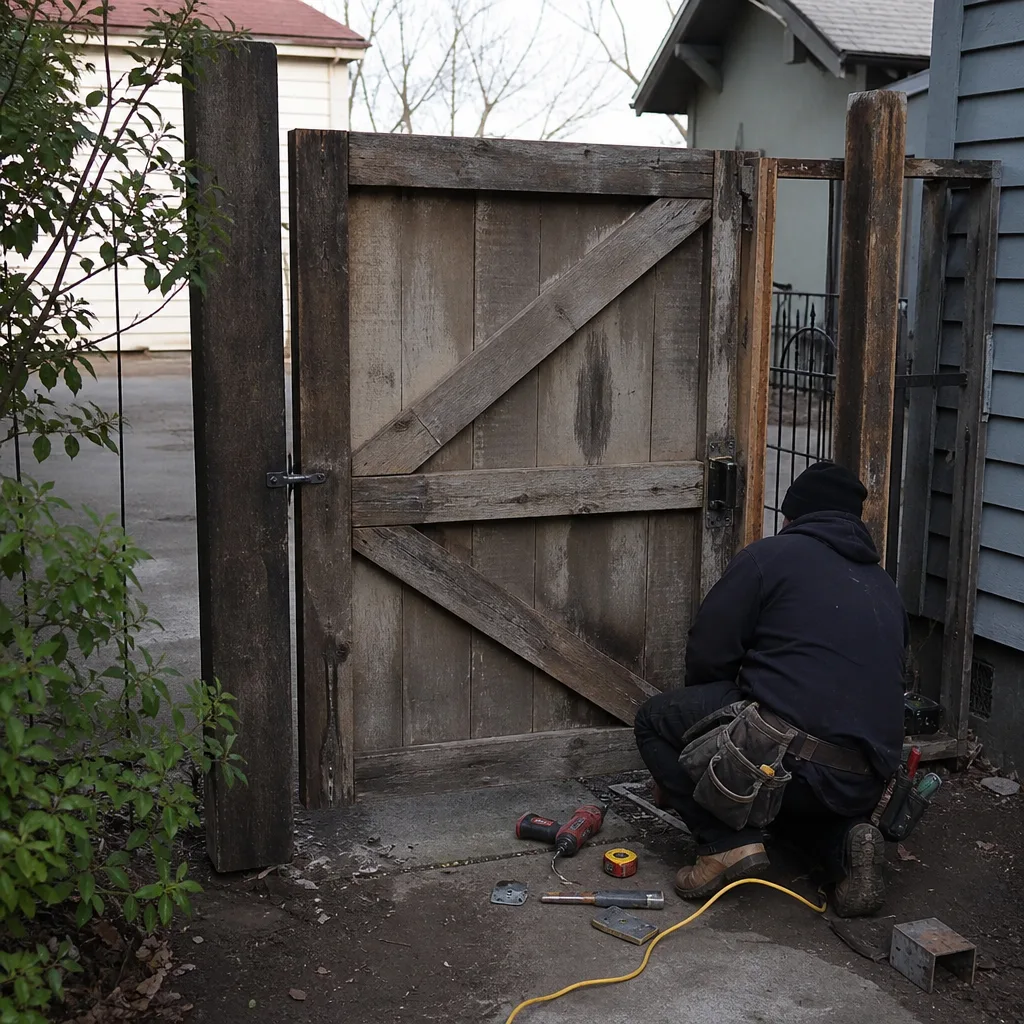 Before
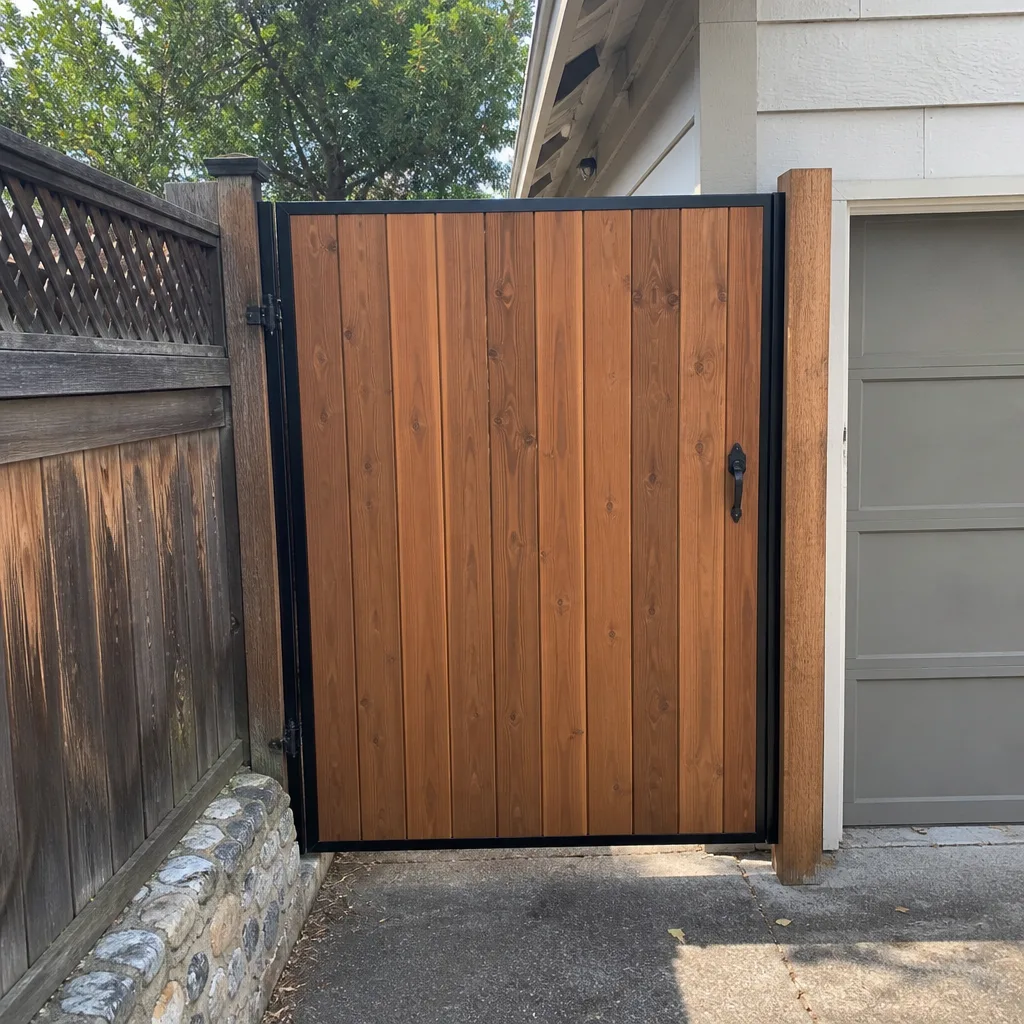 After
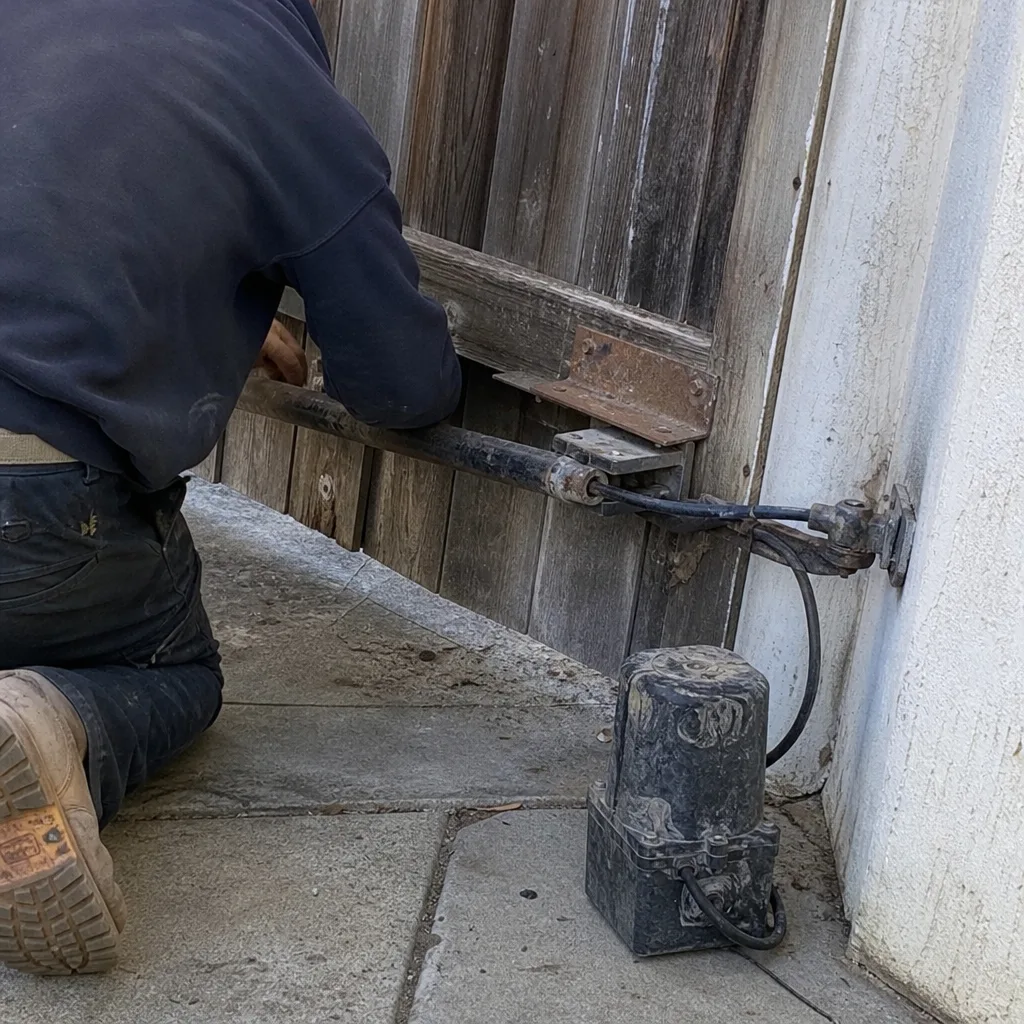 Before
 After
 Before
 After