
Last updated November 2, 2026
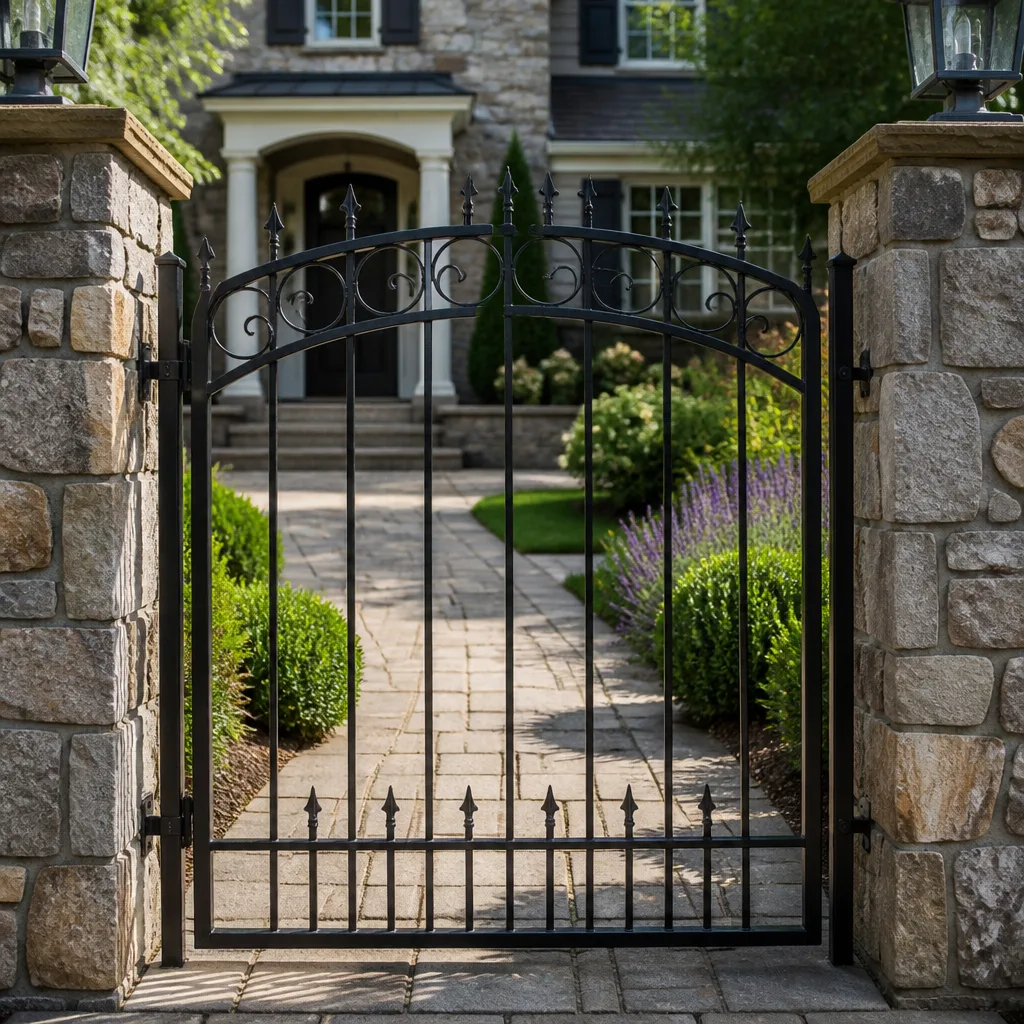 Wrought iron
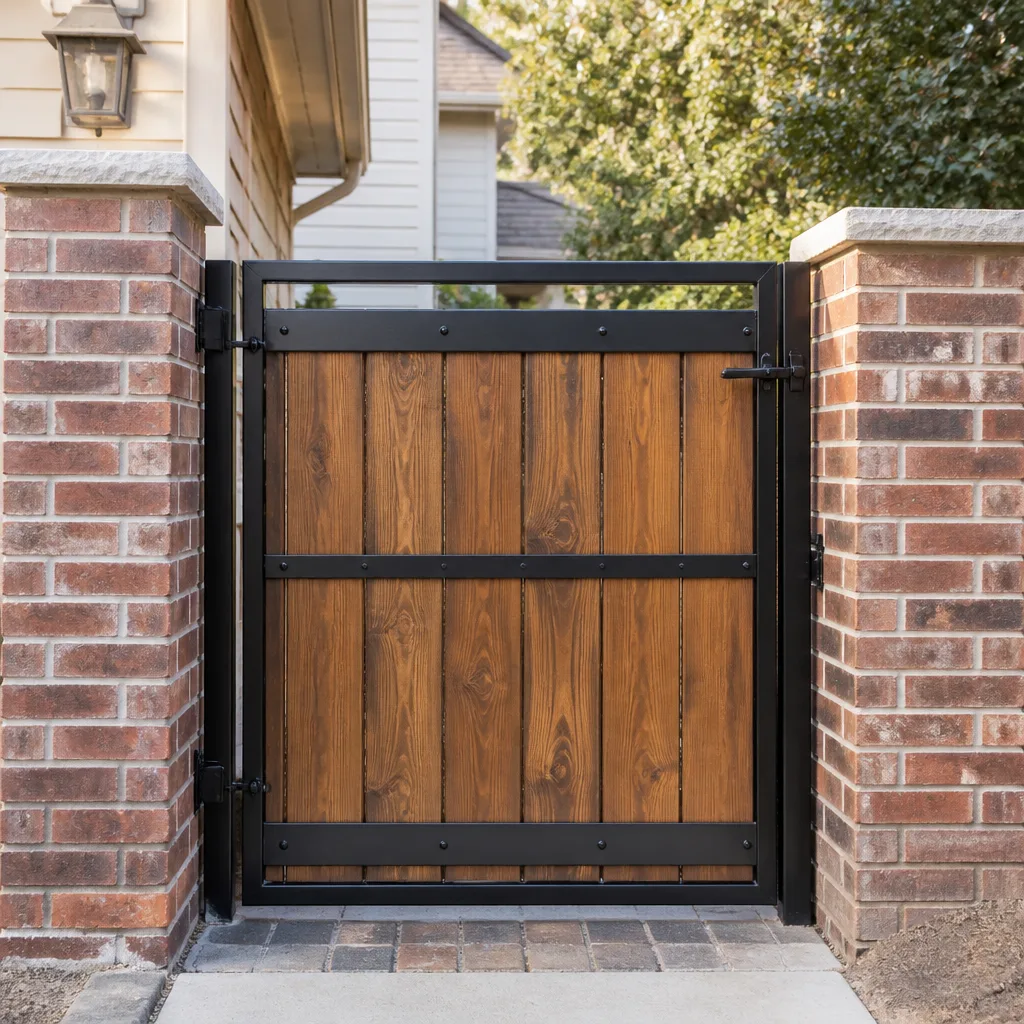 Wood & steel frame
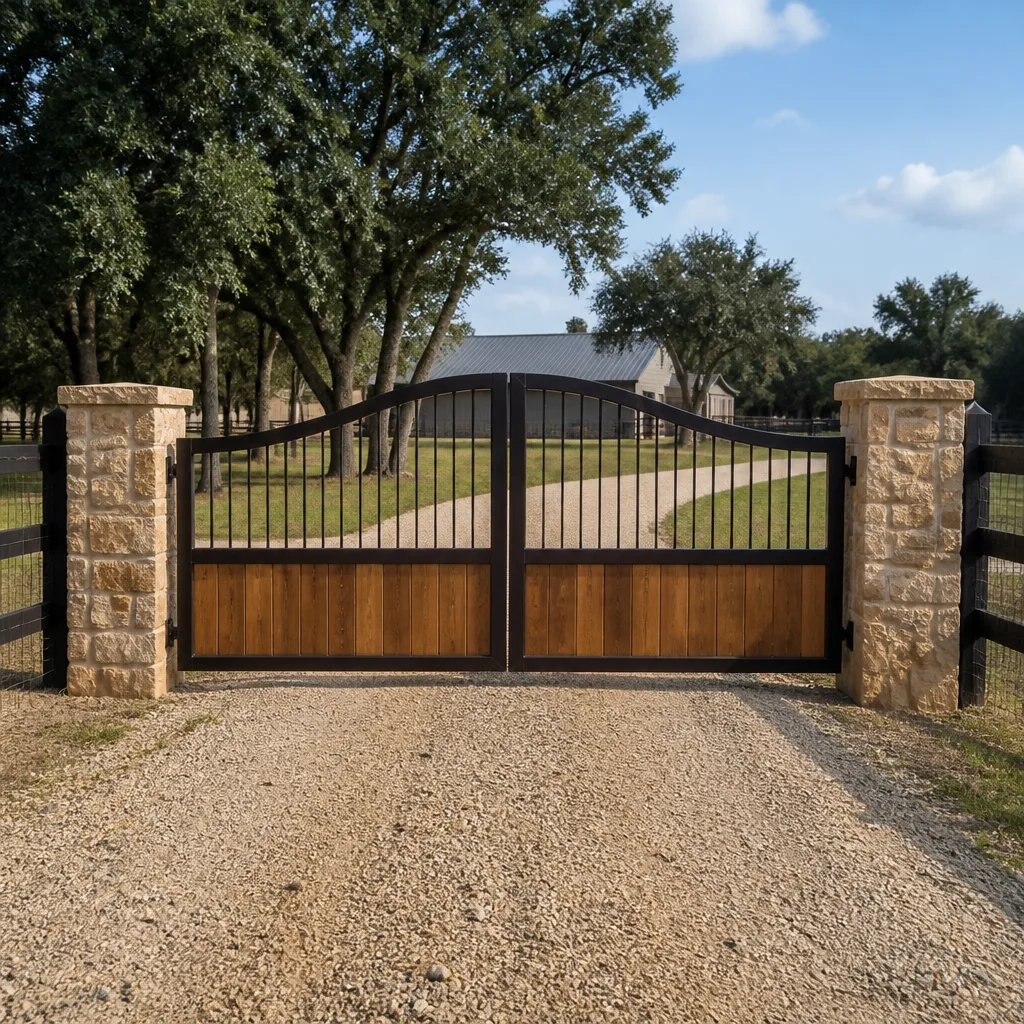 Farm & ranch
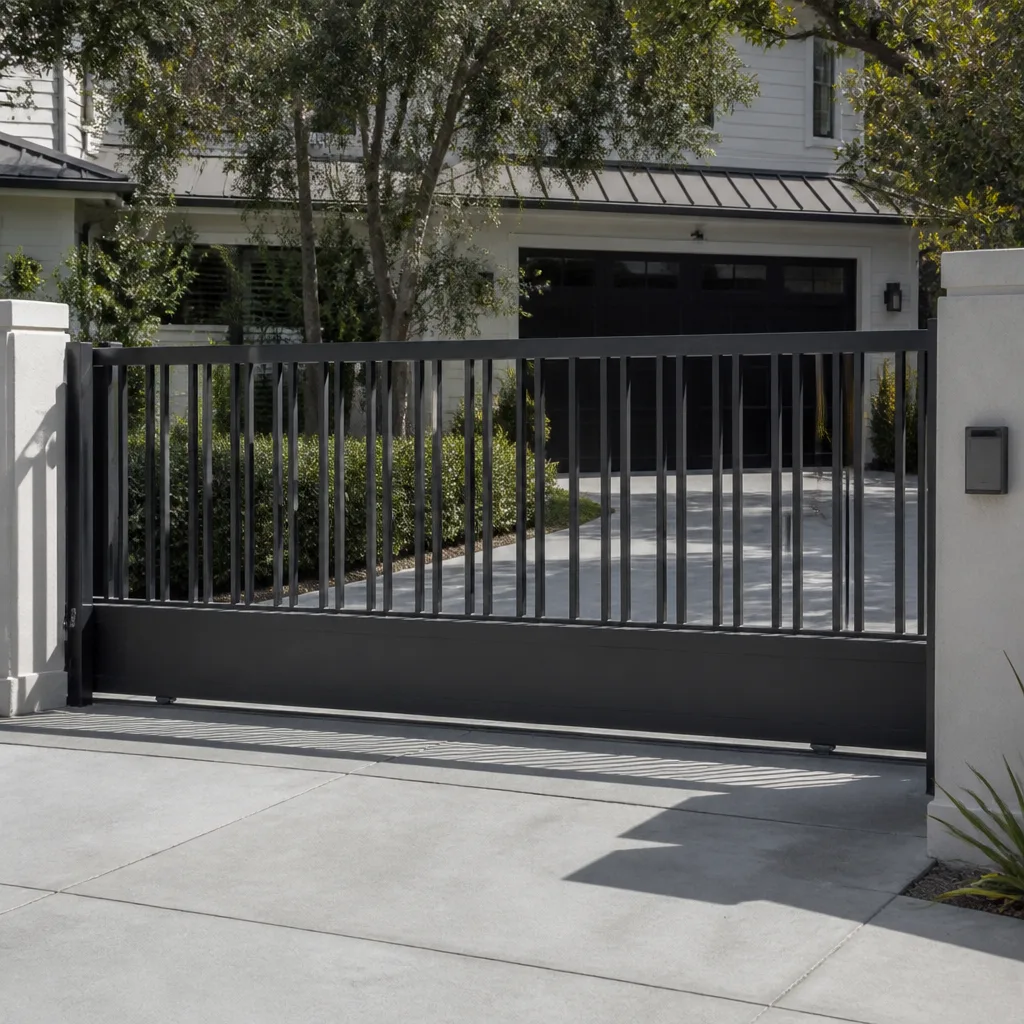 Sliding driveway gates
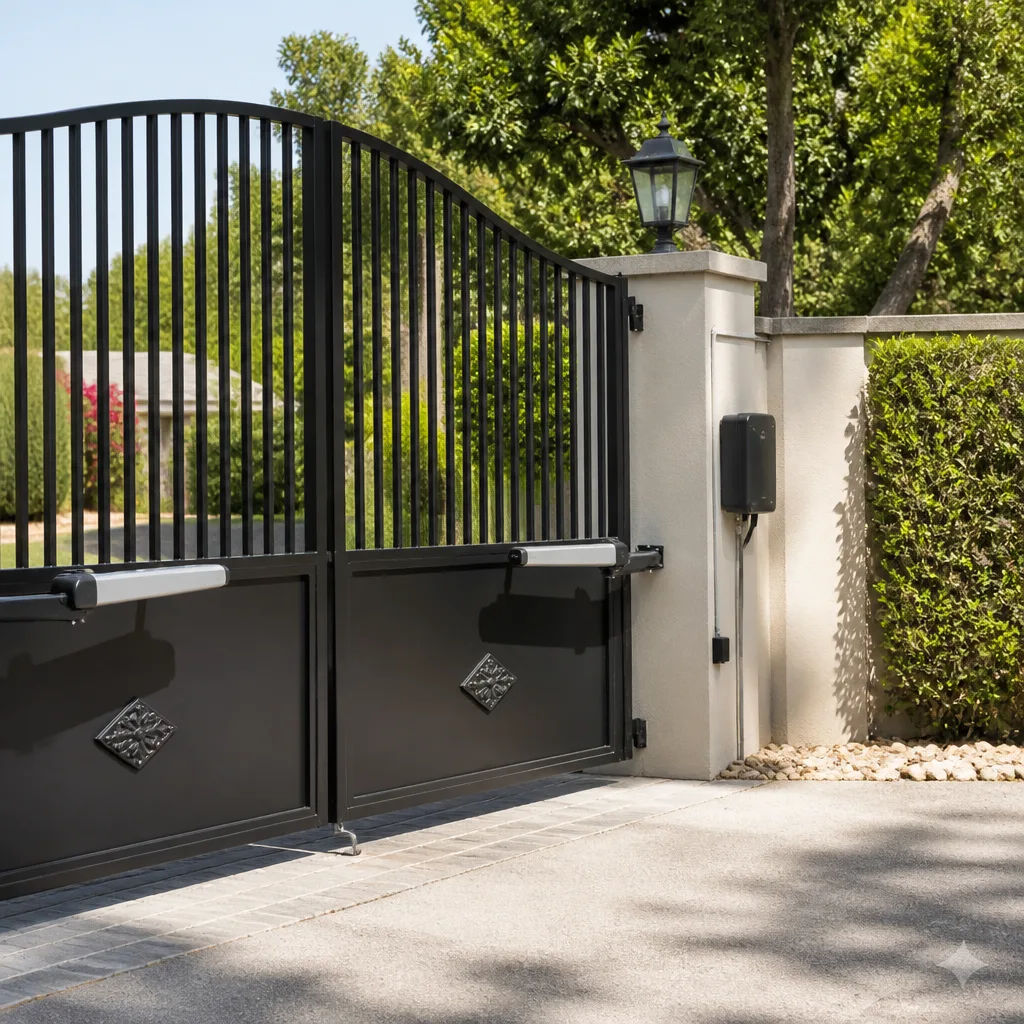 LiftMaster operators
Free on-site gate assessment - hinges, posts, and your LiftMaster or Nice gate operator checked before anything is quoted
The assessment is free and the quote is the invoice.
Get your free estimateHow to Hire a Gate Repair Contractor in Crocker-Amazon: A Step-by-Step Guide
Most gate failures in Crocker-Amazon follow a predictable pattern: a homeowner calls a general contractor, the contractor “takes a look,” replaces the most visible broken part, and sixty days later the same gate stops working. The repair didn’t fail because the contractor was dishonest. It failed because gate systems, especially electric ones, are proprietary machines with brand-specific control boards, torque ratings, and safety logic. Hiring someone who treats a LiftMaster like a Mighty Mule is how you pay twice. This Gate Repair guide teaches you how to vet for gate-specific depth before you sign anything, using questions that separate specialists from generalists in the first five minutes of a phone call.
Styles & brands we work with
- Wrought iron
- Wood & steel frame
- Farm & ranch
- Sliding driveway gates
- LiftMaster operators
Quick Answer
To hire a gate repair contractor in Crocker-Amazon, start by asking which gate operator brands they carry parts for, verify they hold a C-61/D-28 limited specialty license or a C-10 electrical license for electric gate work, and require a written quote that lists brand-specific components and labor separately. A specialist will answer brand questions immediately; a generalist will hedge.
Table of Contents
- The 5 Phone Questions That Separate Specialists From Generalists
- Why California License Class Matters for Gate Work
- Reading a Gate Repair Quote: 4 Red Flags
- How to Read Online Reviews for Gate Contractors
- What a Legitimate Gate Repair Warranty Looks Like
- Commercial vs. Residential Gate Work: Know Which Contractor You Need
- Common Mistakes to Avoid
- When to Call a Professional
- Frequently Asked Questions
- The Bottom Line
The 5 Phone Questions That Separate Specialists From Generalists
Before you schedule a single site visit, make five phone calls. Each one takes under ten minutes. The answers you get will tell you more than any online review. Here’s what to ask, and what a specialist’s answer sounds like.
Question 1: “Which gate operator brands do you carry boards and drive components for?”
A gate specialist answers this instantly. They’ll name LiftMaster, FAAC, BFT, Linear, Viking, Ghost Controls, DoorKing, Elite, Mighty Mule, or a subset of those, without pausing. A generalist will say something vague like “we work on all kinds” or “whatever you’ve got, we can figure out.” That vagueness is the tell. Gate operator control boards are not interchangeable. A technician who doesn’t stock or commonly order boards for your specific brand is going to diagnose by trial and error, and you’ll pay for the learning curve.
Question 2: “Do you calibrate loop detectors, or do you just replace the mechanical parts?”
This question filters out contractors who only handle visible hardware. A loop detector is the buried sensor wire that tells an electric gate to open when a car pulls up. If the gate opens intermittently, the problem is often the loop detector’s sensitivity setting, not the motor. A specialist calibrates loop detectors with a meter. A generalist often doesn’t know what a loop detector is. In Crocker-Amazon, where many homes sit on compact lots with short driveways, improperly calibrated loops cause gates to reverse unexpectedly or fail to open at all. See our Seasonal Gate Repair Care for Crocker-Amazon: Year-Round Homeowner’s Guide for maintenance tips that prevent these issues.
Question 3: “What’s your diagnostic process for an electric gate that won’t open?”
Listen for a sequence, not a guess. A specialist describes something like: check incoming power at the panel, test the control board outputs, verify the safety edge and photo eyes, then test the motor capacitor. A generalist says “we’ll come out and see what’s wrong.” The difference matters because board-level diagnostics require a multimeter and brand-specific wiring knowledge. When we diagnose electric gates in Crocker-Amazon, we follow the same sequence on every call because skipping a step means ordering the wrong part.
Question 4: “What’s your labor rate for board-level work versus mechanical work?”
Most generalists have one flat hourly rate because they don’t distinguish between lubricating hinges and troubleshooting a FAAC hydraulic control board. A gate specialist usually prices mechanical work and electronics work differently, because the skill sets are different. If the contractor can’t answer this, they probably don’t do much board-level work. That’s fine for a sagging chain-link gate, but it’s not fine for an automated driveway gate that won’t respond to the remote.
Question 5: “Can you show me a recent repair order for a [your brand] operator?”
This feels aggressive, but it’s the single most revealing question. A specialist will describe a recent job: “Last month we replaced a control board on a DoorKing 9150 at an apartment complex in Crocker-Amazon.” A generalist will deflect. Specificity is evidence of repeated exposure. Repetition is what makes a diagnosis fast and a repair durable.
Write the answers down. Compare them across the five calls. The pattern will be obvious. For more guides & resources, explore our blog.
Why California License Class Matters for Gate Work
California’s contractor licensing system assigns work to specific license classifications. Gate repair sits at an intersection, and understanding the distinction protects you from hiring someone legally unqualified to touch your system.
C-61/D-28: The Limited Specialty for Gate Work
The D-28 classification under C-61 covers “doors, gates, and activating devices.” A contractor holding this license has passed an exam specific to gate and door systems, including automation components. This is the most directly relevant credential for gate work. When a contractor says they’re “licensed and insured,” ask which classification. If they hesitate or say “general building,” that’s a signal.
C-10: The Electrical Classification
Electric gate operators run on line voltage. The motor, control board, and safety sensors are electrical components. A C-10 electrical contractor is legally authorized to perform electrical work, and many electric gate specialists hold this license instead of or in addition to D-28. For work involving running new power to a gate location, a C-10 is often required by local building departments.
Why It Matters in Crocker-Amazon
Crocker-Amazon homes range from 1940s single-family houses to newer multi-unit buildings. Older properties often need power runs extended to driveway entrance points that were never wired for automation. That’s electrical work, not just mechanical gate work. A contractor who only carries a general building license (B) can legally build a fence but may not be the right fit for wiring a gate operator. Always verify the license class, not just the license number.
How to Check
- Ask for the contractor’s CSLB license number on the first call.
- Go to the CSLB website and pull up the license.
- Look at the classification field. D-28 and C-10 are what you want for electric gate work.
- Check the license status. “Active” with no suspensions is the minimum.
- Check the bond and insurance fields. Bonded means you have recourse if the contractor abandons the job.
We’ve replaced gate systems in Crocker-Amazon where the previous “repair” was done by someone without a license at all. The work looked fine for a few weeks, then a safety sensor failed and the gate closed on a car bumper. The homeowner had no recourse because there was no license to file a complaint against.
Reading a Gate Repair Quote: 4 Red Flags
A written quote is a diagnostic tool, not just a number. How a contractor describes the work tells you whether they understand your specific gate or are guessing. Here are the four patterns that should make you pause.
Red Flag 1: Vague Labor Descriptions
A legitimate gate repair quote specifies what the technician will do. “Repair gate” is not a specification. “Replace Mighty Mule MM271 control board, recalibrate auto-close timer, test safety reverse pressure, verify loop detector sensitivity” is a specification. The difference is the difference between a quote and a guess. If the quote doesn’t tell you what parts are being touched and why, the contractor either hasn’t diagnosed the problem yet or doesn’t want you to know what they’re doing.
Red Flag 2: No Brand-Specific Parts Listed
If your gate is a Ghost Controls single-swing operator and the quote says “new circuit board” without naming the manufacturer or part number, be suspicious. Gate operators from different brands use different voltage, different connector pinouts, and different safety logic. A generic “board” is often a universal aftermarket part that lacks the safety features of the original. A proper quote names the brand and usually the part number. We regularly see quotes in Crocker-Amazon that list “universal control board” for LiftMaster systems, and those boards fail early because they don’t support the operator’s full safety input set. Our Choosing the Right Gate Repair Brand: A Buyer’s Guide for Crocker-Amazon explains why brand-specific parts matter.
Red Flag 3: Unusually Fast Timelines for Multi-Component Repairs
If a contractor quotes a two-day turnaround for replacing an electric gate motor, control board, and safety loops on a commercial FAAC operator, they’re either not planning to do all that work or they’re planning to cut corners. Quality diagnosis takes time. Parts for less common brands take time to order. A realistic timeline acknowledges both. Be wary of anyone who promises completion before they’ve even seen the gate in person.
Red Flag 4: No Mention of Testing or Calibration
Installing a new board or motor is half the job. Calibrating it is the other half. A quote that ends at “install parts” skips the step that actually makes the gate work safely and reliably. Safety reverse force, auto-close delay, loop sensitivity, and photo-eye alignment all need explicit calibration. If the quote doesn’t mention testing, ask what the testing procedure is. If there isn’t one, walk.
How to Read Online Reviews for Gate Contractors
Gate repair reviews are noisy. Most happy customers write a sentence. Most unhappy customers write a paragraph. Between those extremes, there are patterns that signal real technical competence versus cosmetic fixes.
Language That Signals Real Technical Work
Look for reviews that name components. A review that says “they replaced the control board on our LiftMaster and recalibrated the safety sensors” was written by someone who watched a specialist at work. Component-level specificity is rare and valuable. It means the reviewer understood what was done, which means the technician explained it, which means the technician actually knew it.
Also look for reviews that mention diagnosis before repair. “They tested the loop detector before replacing anything” indicates a methodical process. “They fixed it in two hours” with no description of the fix indicates the reviewer doesn’t know what was done, which is not a good sign.
Language That Signals Cosmetic Fixes
Watch for reviews that describe only visible adjustments: “tightened the hinges,” “welded the frame,” “sprayed some lubricant.” These are legitimate repairs for mechanical gates, but if every review describes only mechanical work and your gate is electric, that contractor may not be the right fit for your problem.
How to Weight Negative Reviews
A negative review about scheduling is less concerning than a negative review about a repair failing. Scheduling problems happen to every contractor. Repair failures that repeat are a pattern. Look at how the contractor responds to negative reviews. A response that acknowledges the issue and describes the corrective action is a good sign. No response at all suggests the contractor doesn’t track their failures.
In Crocker-Amazon, word of mouth travels fast. Ask neighbors which gate contractors they’ve used, especially if your neighbor’s gate is the same brand as yours.
What a Legitimate Gate Repair Warranty Looks Like
Gate repair warranties are where contractors reveal their confidence in their own work. Here’s how to evaluate what you’re offered.
Parts-Only vs. Labor-Included
A parts-only warranty covers the cost of a replacement component if the part fails. It does not cover the labor to diagnose the failure and install the new part. A 90-day parts-only warranty on a control board means if the board fails at day 80, you get a new board free but pay $150 to $250 in labor to have it installed. A labor-included warranty covers both. The difference is meaningful, not trivial. Ask specifically: “Does your warranty cover labor, or just parts?”
Duration by Component Type
Mechanical parts like hinges, brackets, and chain links should carry at least a 90-day labor-included warranty. Electronic components like control boards and motors should carry 90 days minimum, ideally longer, because electronic failures often manifest weeks after installation. Safety sensors and photo eyes should be covered similarly. If the contractor offers different warranty terms for different component types, that’s a sign of a thoughtful professional. If everything is “30 days parts only,” that’s a contractor who doesn’t expect their repairs to last.
What the Warranty Should Exclude, Explicitly
A legitimate warranty excludes damage caused by vehicle impact, power surges, weather events, and user modification. These exclusions should be written down. A contractor who can’t articulate what their warranty excludes hasn’t thought through what they’re promising.
Warranty in Writing
Verbal warranties are not warranties. Get the terms in writing on the quote or invoice. The document should state the warranty period, what’s covered, what’s excluded, and who to contact. For gate installation work, a legitimate gate installation in Crocker-Amazon should include a written warranty on both the operator and the installation labor.
Commercial vs. Residential Gate Work: Know Which Contractor You Need
Not all gate contractors handle both residential and commercial systems. The skills overlap, but the equipment differs significantly.
Residential Gate Work
Residential gates in Crocker-Amazon are typically operated by Mighty Mule, Ghost Controls, or Linear systems. These are single-family driveway gates, often solar-powered or wired to a standard household circuit. Repairs usually involve the operator, the remote controls, the safety sensors, and occasionally the gate hardware itself. A contractor who works primarily on residential systems will know these brands fluently but may not have experience with commercial-grade operators.
Commercial Gate Work
Commercial gates, like the ones at apartment complexes and commercial lots in Crocker-Amazon, often use FAAC, BFT, or DoorKing operators. These systems handle higher traffic volume, require industrial-grade safety features, and often integrate with access control systems like keypads, card readers, and telephone entry systems. The diagnostic skills are different. A commercial technician understands duty cycles, thermal overload protection, and integration with access control wiring. A residential-only technician may not.
The Overlap
Some contractors work across both segments. That’s valuable because the lessons learned on commercial systems translate to residential work, and vice versa. When you call, ask: “Do you work on both residential and commercial gate systems?” If the answer is no, that’s fine as long as your gate type matches their specialty. If the answer is yes, ask which commercial brands they’ve worked on recently. A contractor who handles gate repair in Crocker-Amazon for both a single-family Mighty Mule driveway gate and a DoorKing apartment entry system has a broader knowledge base than one who only sees residential operators.
Property Managers: Ask for Documentation
If you manage a commercial or multi-unit property, ask for a written scope of work that includes the gate’s duty cycle rating, the operator’s model number, and a maintenance schedule. Commercial gate operators have rated duty cycles (how many cycles per day they’re designed to handle). Replacing an operator with the wrong duty cycle rating leads to premature motor failure. A competent commercial gate contractor will document this. A generalist won’t know what a duty cycle is.
Common Mistakes to Avoid
- Hiring a garage door company for gate repair. Garage doors and gates share some mechanical principles, but gate automation has different safety standards, different control logic, and different brands. A garage door technician who doesn’t work on gates regularly will be learning on your dime.
- Accepting the first quote without asking about brand experience. Price is only one variable. A $150 cheaper quote from someone who has never opened a FAAC control panel will cost you more in the long run.
- Skipping the license check. In California, unlicensed contracting is a misdemeanor for jobs over $500. Checking the license takes three minutes. Not checking it can cost you thousands with no recourse.
- Approving vague quotes. If the quote doesn’t name parts and labor separately, you don’t have a quote. You have a guess. Insist on specificity before work begins.
- Ignoring safety sensor testing in the scope. Electric gates without properly calibrated safety sensors are dangerous. A repair that skips safety testing is incomplete, no matter how well the gate opens and closes.
- Choosing based on response time alone. A contractor who can come tomorrow but doesn’t stock your brand’s parts will diagnose, order, and return. A specialist who needs a few days but arrives with the right parts often finishes faster overall.
- Not asking about warranty labor coverage. Parts-only warranties shift the financial risk of a failed repair back to you. Always clarify what the warranty covers before signing.
When to Call a Professional
Some gate problems need a professional immediately. If your electric gate makes a grinding noise, opens only partway, reverses without command, or won’t respond to any remote or keypad, stop testing it. Continued operation with a failing motor or misaligned safety sensor can cause further damage or create a real safety hazard. Electric gate operators contain high-tension springs, heavy moving components, and line-voltage electrical connections. Diagnosing a control board fault without proper training and equipment is dangerous and usually makes the problem worse. If your gate is sagging, binding, or dragging on the ground, the hinge or post hardware needs attention before the operator burns out trying to move a gate it was never designed to move. Gate Repair Crocker-Amazon offers free estimates in the area. Call (833) 842-7897 and describe the symptoms; we’ll tell you what’s likely wrong and what it will take to fix it correctly.
Frequently Asked Questions
Gate repair in Crocker-Amazon typically ranges from $150 for simple mechanical adjustments to $400 or more for control board replacement or motor work, depending on the brand and the specific failure. The best way to get an accurate number is to call and describe the symptoms; a specialist can often give you a realistic range before the site visit. Call (833) 842-7897 for a free estimate.
Ask for their CSLB license number and verify it online, then ask which gate operator brands they stock parts for and how they diagnose electric gate failures. A qualified technician answers both questions immediately and specifically. A vague answer is a red flag.
Same-day repair depends on the failure type and part availability. Simple mechanical issues like hinge lubrication or limit switch adjustment can often be completed the same day. Control board or motor failures on brands like BFT or LiftMaster may require ordering parts that arrive the next day or later. Call (833) 842-7897 and describe the symptoms; we’ll tell you honestly whether same-day service is realistic.
We work on nine gate brands: LiftMaster, FAAC, BFT, Linear, Viking, Ghost Controls, DoorKing, Elite, and Mighty Mule. If your operator is one of these, we’ve seen it before and we carry or can quickly source parts for it. If it’s something more obscure, we’ll tell you that on the first call rather than waste your time.
Repair addresses an existing gate that has stopped working properly. Installation involves specifying, sourcing, and setting up a new gate and operator system. We do both, which means you don’t need to hire a separate contractor if your repair reveals that replacement is the better option.
Yes. We service commercial operators including FAAC, BFT, and DoorKing, which are common on apartment buildings, parking lots, and commercial properties in Crocker-Amazon. Commercial work includes duty cycle assessment, access control integration, and safety system compliance.
The Bottom Line
Hiring a gate repair contractor in Crocker-Amazon is less about finding someone who can fix a gate and more about finding someone who knows your gate. Ask brand-specific questions on the first call. Verify the license class. Read quotes for specificity, not just price. Weight reviews for component-level language. Insist on a labor-included warranty. These four steps eliminate most of the contractors who will leave you with a sixty-day repair and a repeat service call. The contractors who pass this process are the ones worth hiring. If you’re ready to talk about your gate, call (833) 842-7897 for a free estimate and a specific conversation about your system, not a generic sales pitch.
Written by the team at Gate Repair Crocker-Amazon, serving Crocker-Amazon since 2016.
See the difference
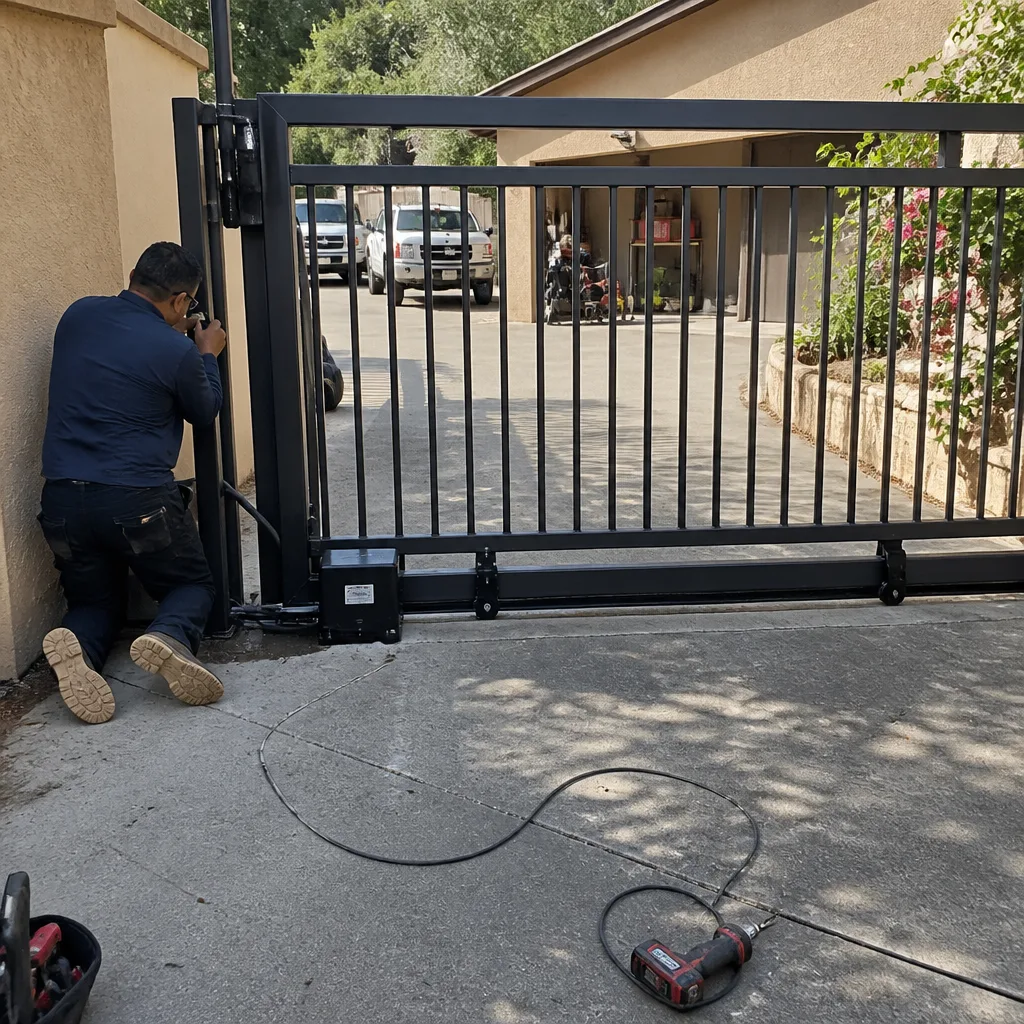
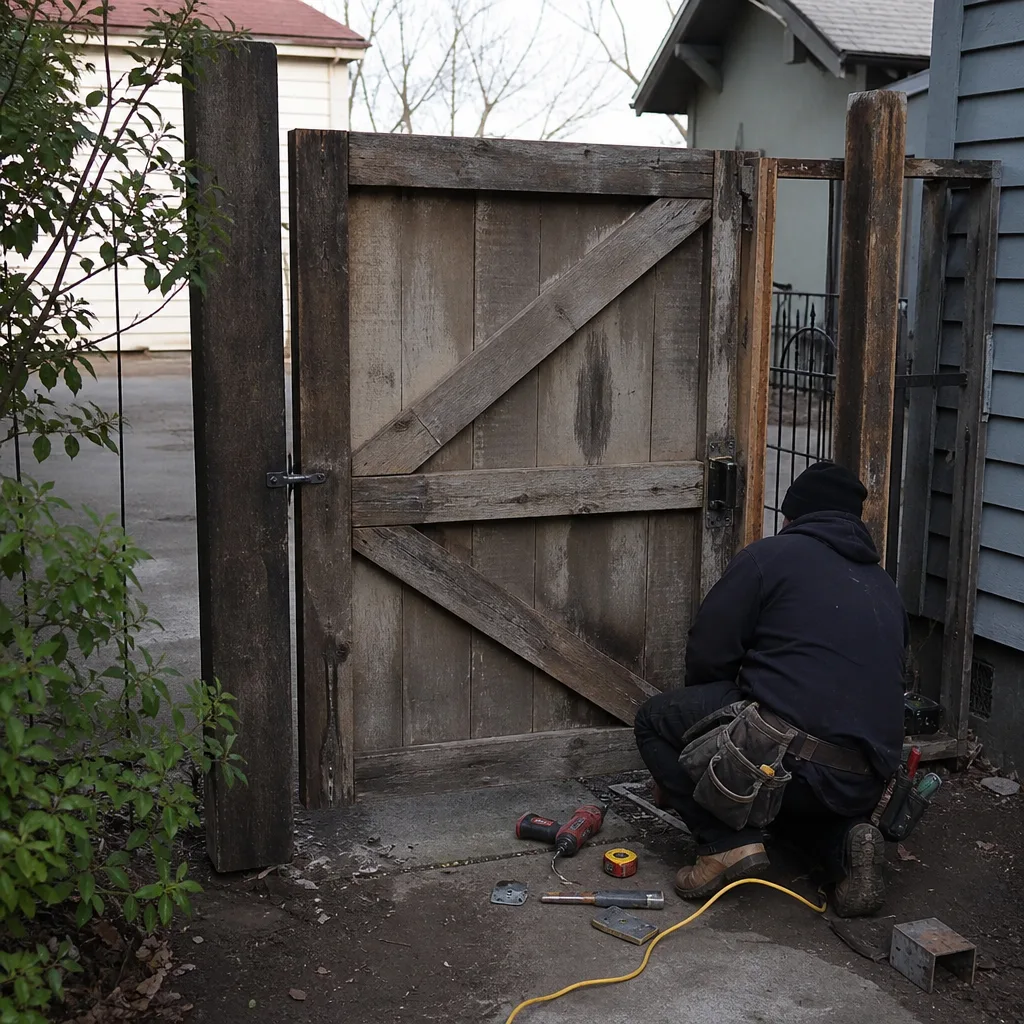 Before
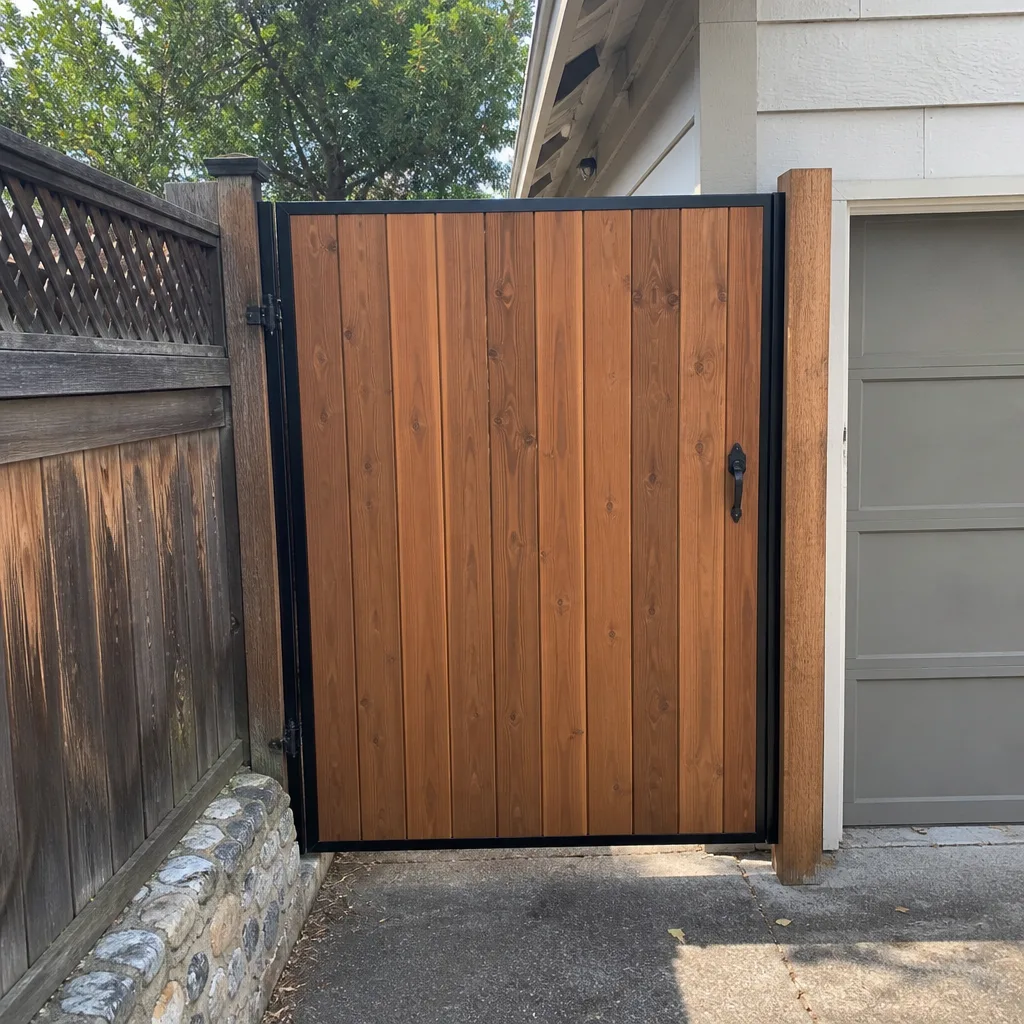 After
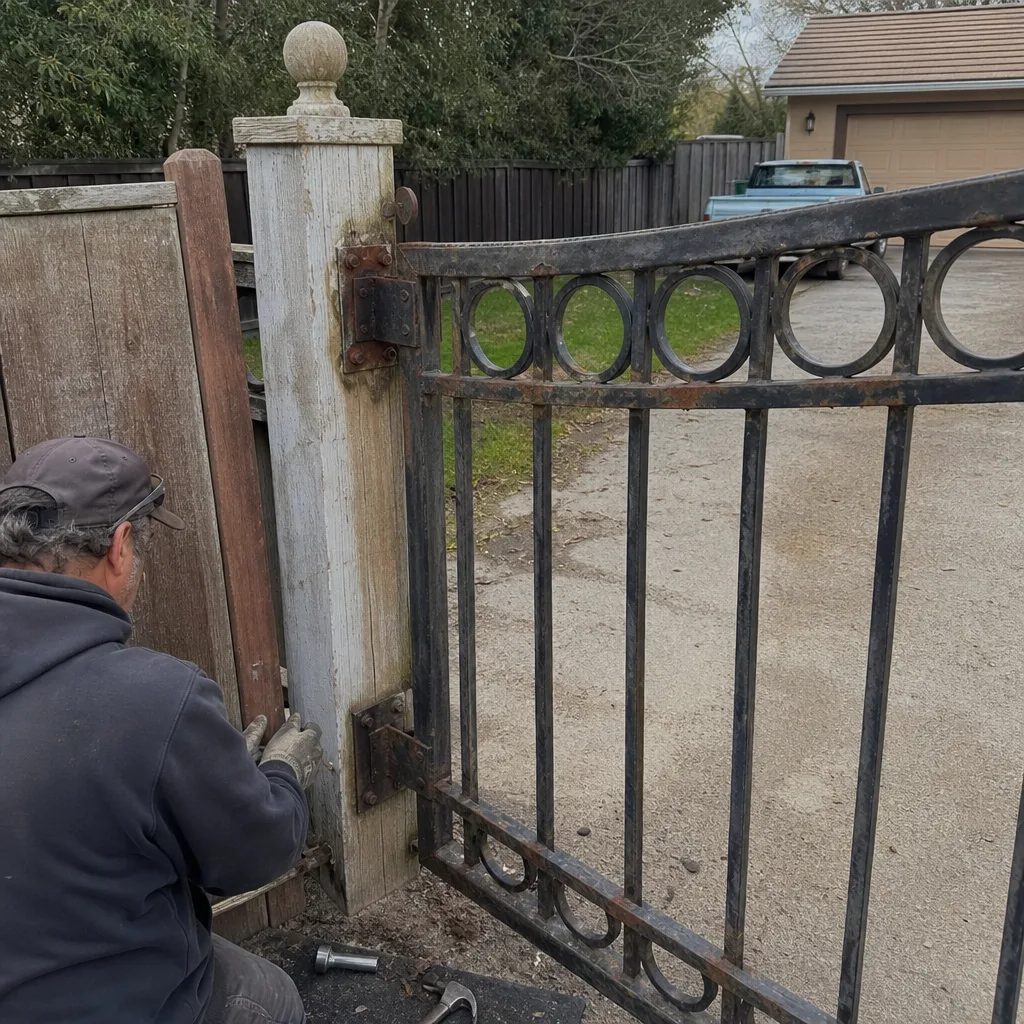
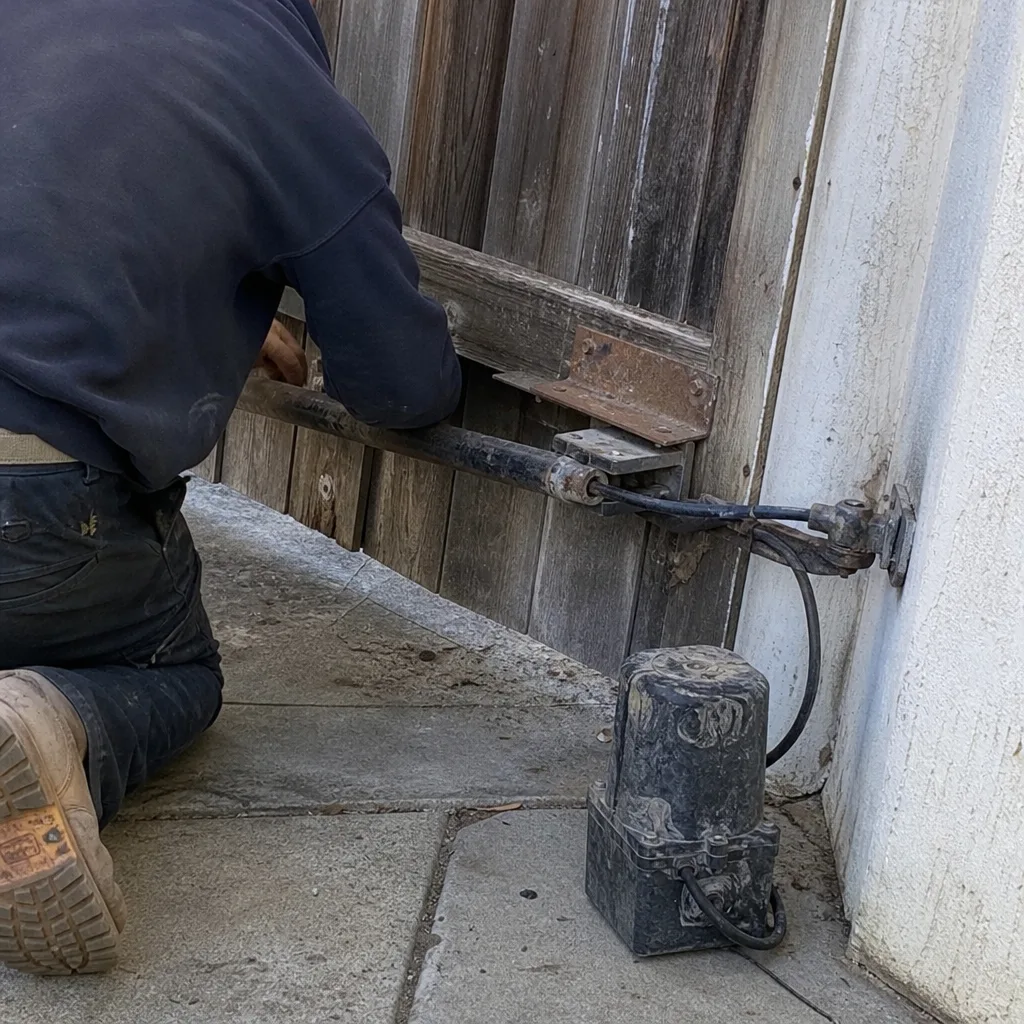 Before
 After
 Before
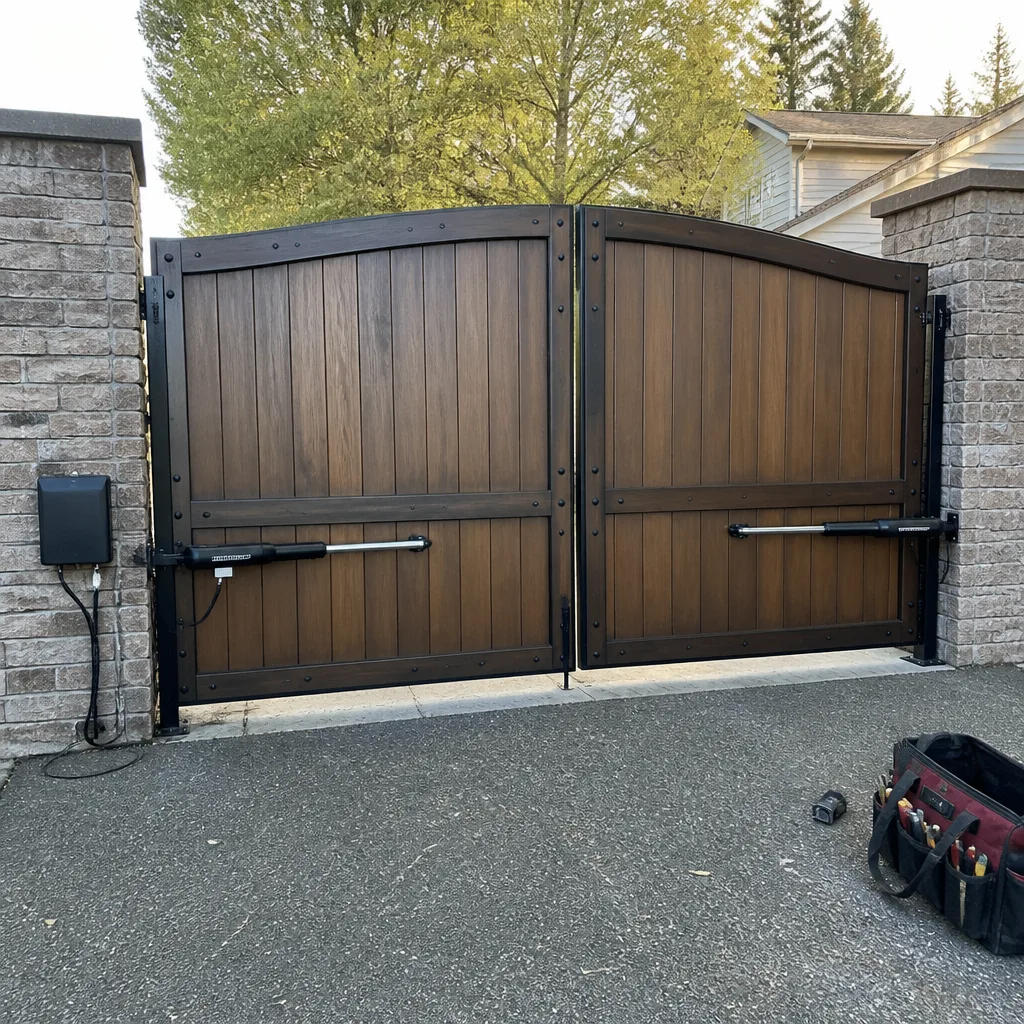 After