
Last updated November 2, 2026
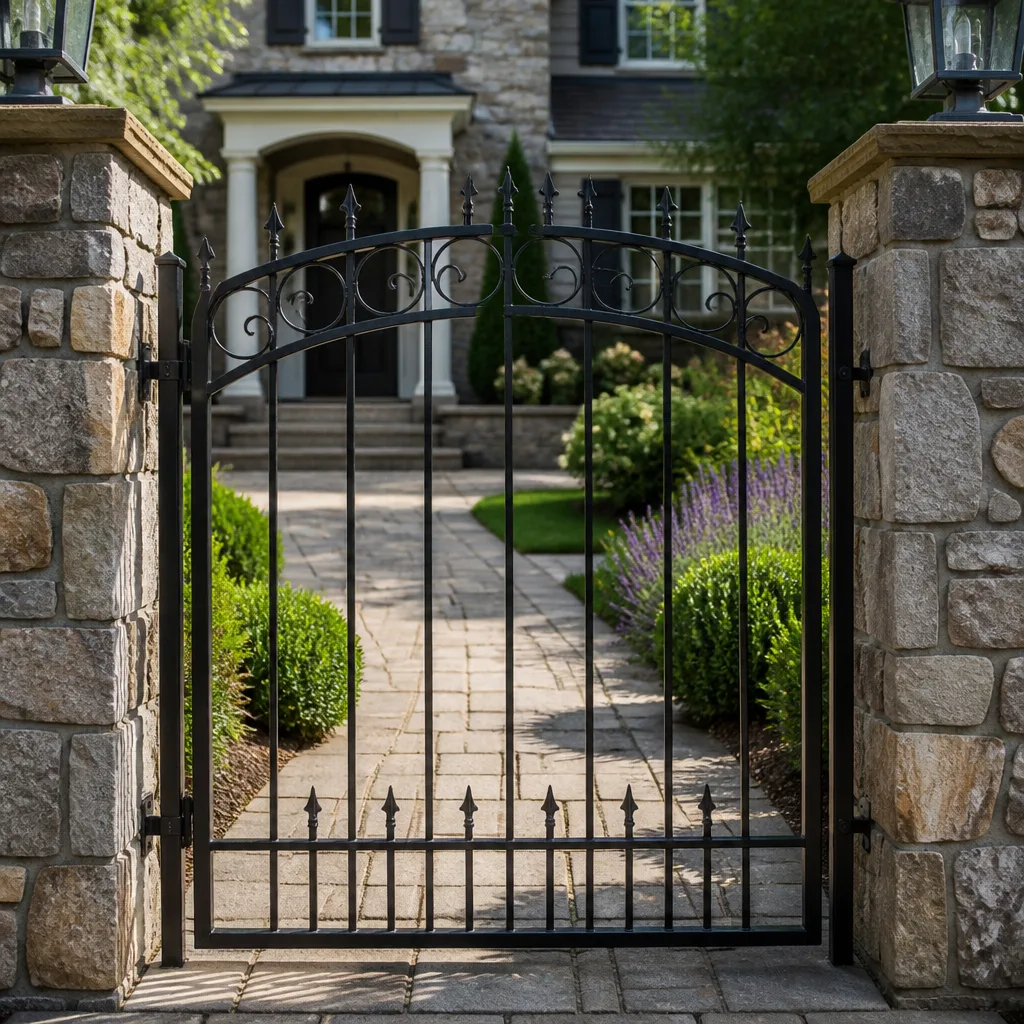 Wrought iron
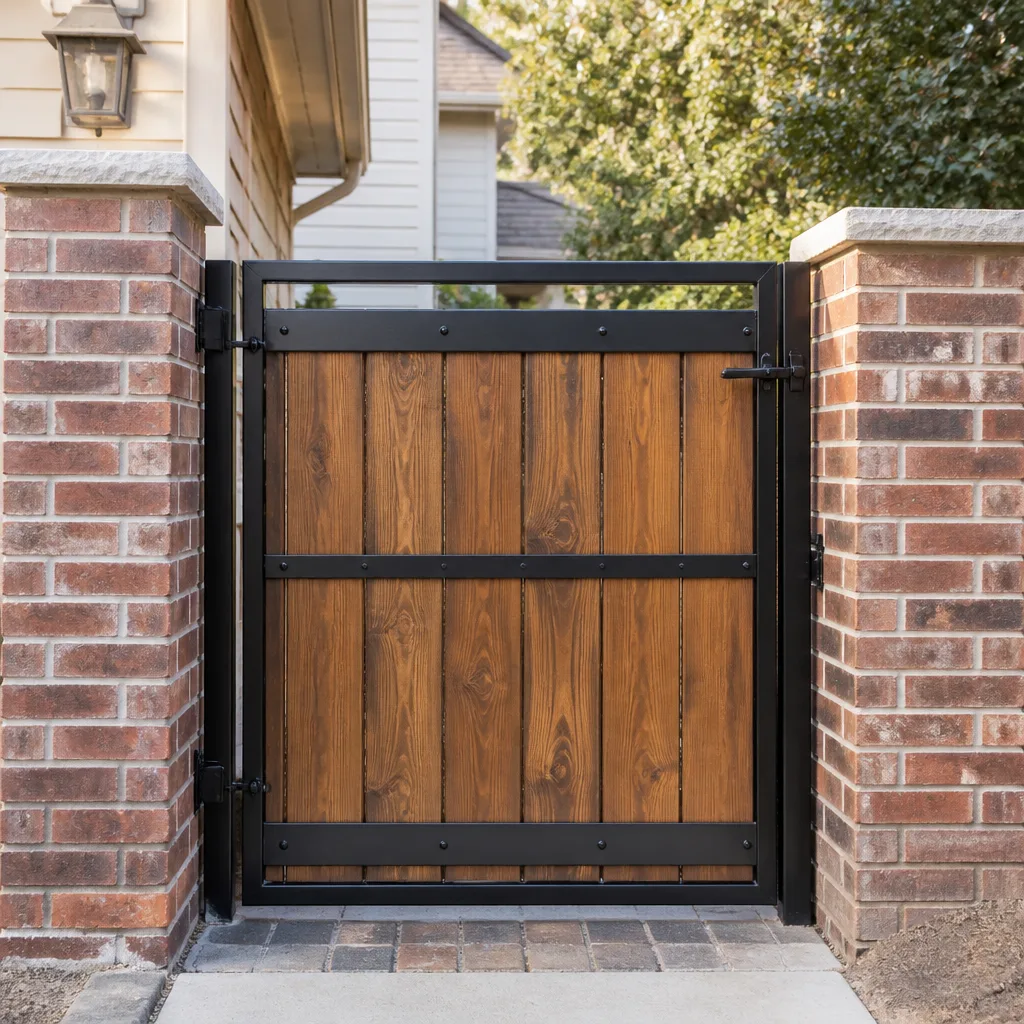 Wood & steel frame
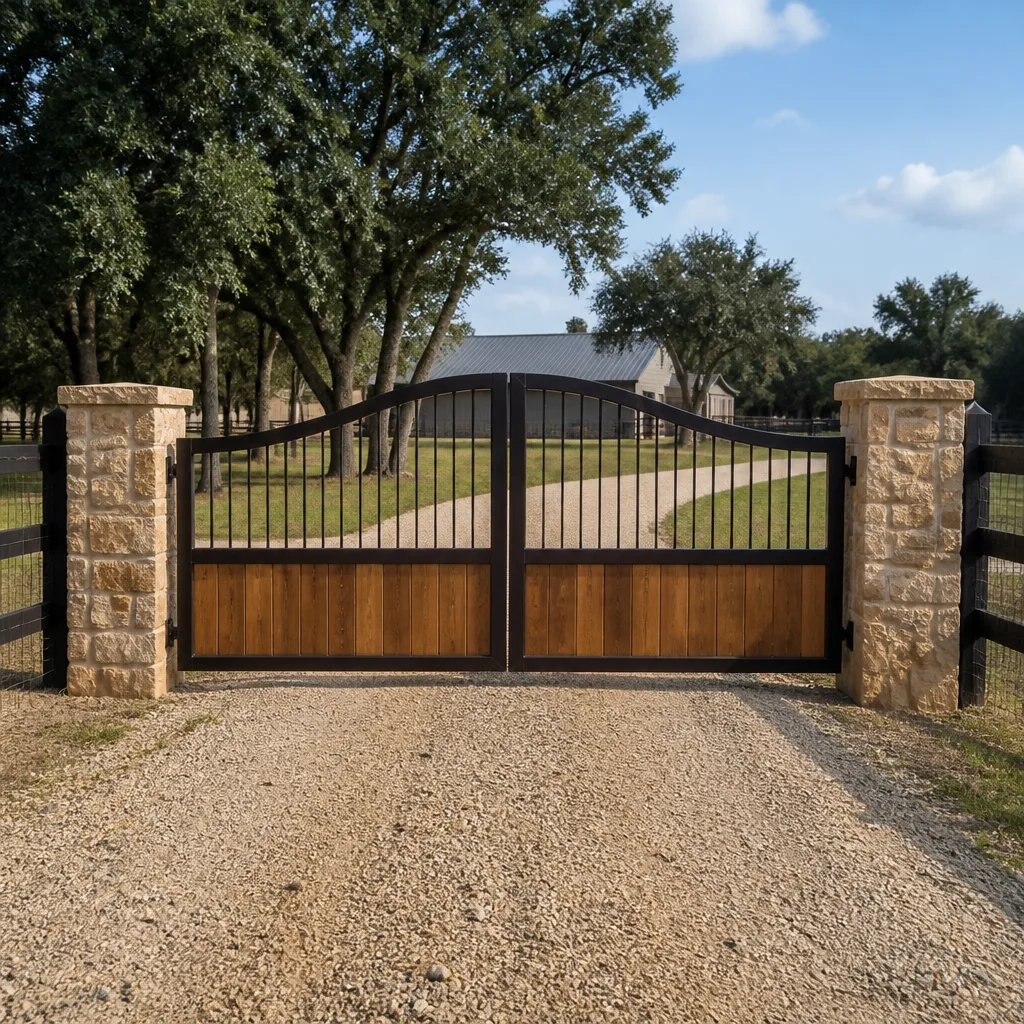 Farm & ranch
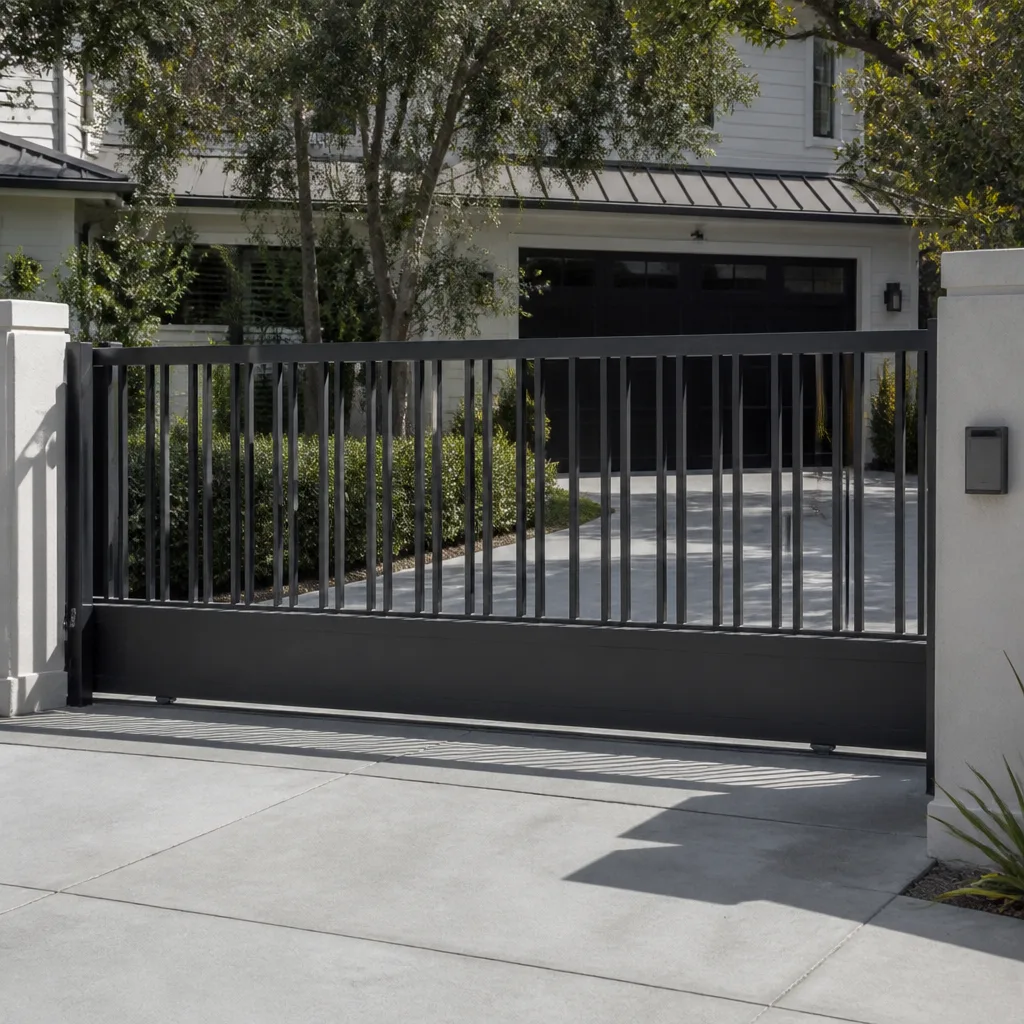 Sliding driveway gates
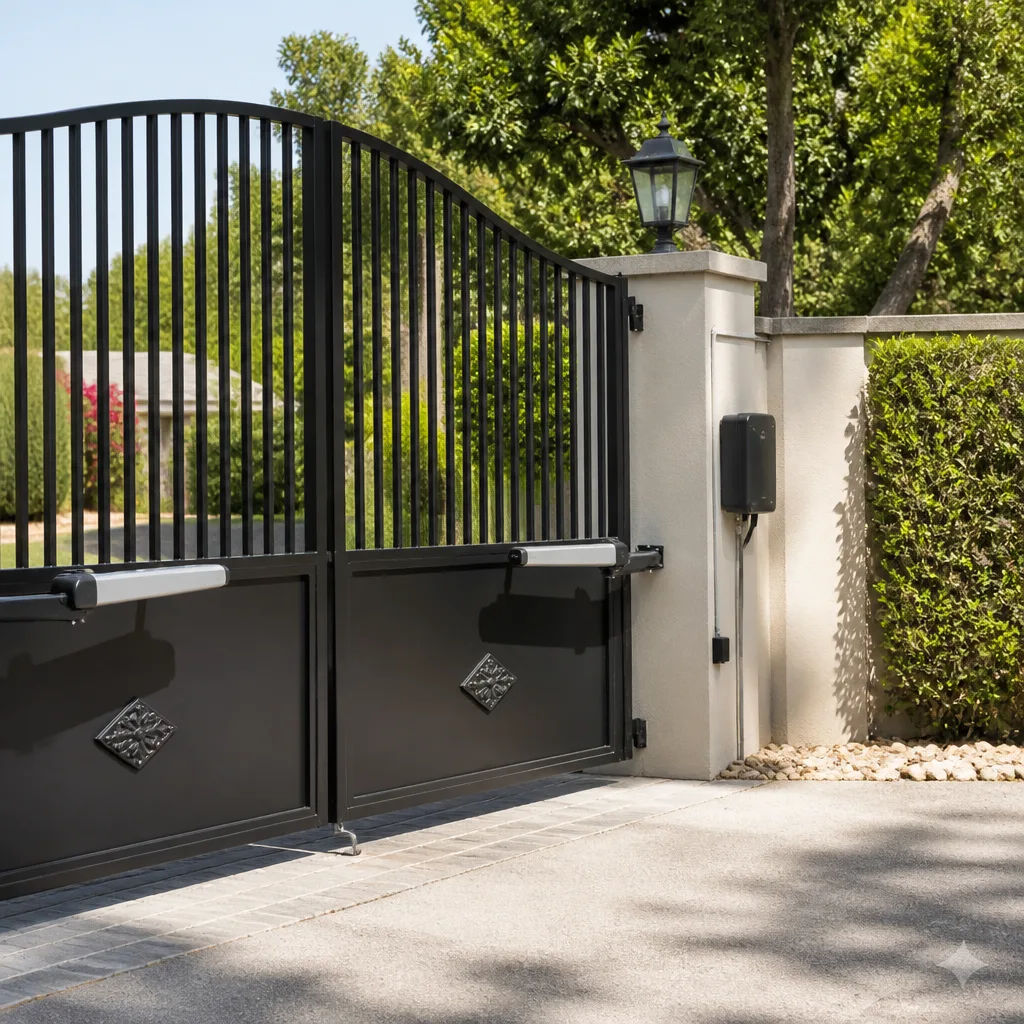 LiftMaster operators
Free on-site gate assessment - hinges, posts, and your LiftMaster or Nice gate operator checked before anything is quoted
The assessment is free and the quote is the invoice.
Get your free estimateDIY vs Professional Gate Repair: The Crocker-Amazon Homeowner’s Decision Guide
Here’s a number most Crocker-Amazon homeowners never hear until it’s too late: California Civil Code Section 1714 requires property owners to maintain gates in a condition that does not create an unreasonable risk of injury to others. That means a gate that closes too hard, lacks a properly functioning safety edge, or has a disabled photo eye is not just a repair waiting to happen. It is a liability with your name on it. What surprises most people is that the DIY-or-hire decision has almost nothing to do with how handy you are. It comes down to which component failed. This guide walks through that decision component by component, using the actual gate brands we see every week across Crocker-Amazon driveways and apartment entries. For professional help, see our Gate Repair services.
Styles & brands we work with
- Wrought iron
- Wood & steel frame
- Farm & ranch
- Sliding driveway gates
- LiftMaster operators
Quick Answer
DIY gate repair is appropriate for specific tasks like remote reprogramming, hinge tightening, weatherstrip replacement, and manual release testing on Crocker-Amazon residential gates. Professional repair becomes the clear choice the moment the failure involves an electric motor, control board, safety edge, loop detector, or any component that interacts with entrapment-prevention systems. The dividing line is not skill. It is liability and the cost of getting the diagnosis wrong.
Table of Contents
- The Component Decision: What Failed Determines What You Do
- The 4 Repairs That Are Genuinely DIY-Appropriate
- Why Safety-Edge and Loop Detector Work Should Never Be DIY
- The Break-Even Cost Analysis: When Professional Repair Stops Being Optional
- How a DIY Repair Can Void Your Operator’s Warranty
- When YouTube Is Enough Preparation and When It Is Not
- Crocker-Amazon Specifics: Climate, Code, and Gate Types
- Common Mistakes to Avoid
- When to Call a Professional
- Frequently Asked Questions
- The Bottom Line
The Component Decision: What Failed Determines What You Do
Most gate repair advice online is useless because it treats every gate problem as one question: can you fix it yourself? That is the wrong frame. A gate is not a single machine. It is a system with three distinct layers, and each layer carries a very different risk profile when things go wrong.
The first layer is mechanical hardware: hinges, roller wheels, tracks, chains, and the gate leaf itself. These are visible, physical components. When a hinge sags or a wheel binds, you can see it, touch it, and often fix it with a wrench and some patience. This is the layer where a competent Crocker-Amazon homeowner with basic tools can legitimately work.
The second layer is automation: the operator arm, motor, control board, and power supply. This is where a Viking swing gate or a Linear slide operator turns electrical signals into motion. These systems run on circuits, capacitors, and logic boards. You cannot diagnose a failing capacitor by looking at it. You can, however, get a nasty shock from one that still holds a charge.
The third layer is safety: photo eyes, safety edges, loop detectors, and the UL 325 compliance that governs how these devices talk to the operator. This layer exists for exactly one reason: to keep a closing gate from hurting someone. When this layer fails, the gate still works. It opens and closes. It looks fine. And that is precisely what makes it the most dangerous kind of malfunction a property owner can have.
Here is the framework we use when a Crocker-Amazon customer asks us whether they should attempt a repair themselves, drawn from our Gate Repair Emergency Preparedness Guide for Crocker-Amazon Homes. The answer is not about how skilled you are. It is about which layer you are touching.
- Mechanical hardware: Often DIY-appropriate for tightening, lubrication, alignment, and simple replacements.
- Automation and electronics: Rarely DIY-appropriate. Diagnostic equipment, brand-specific knowledge, and electrical safety matter.
- Entrapment-safety systems: Never DIY-appropriate, regardless of skill level. The liability profile changes everything.
We have been called out to Crocker-Amazon homes where a homeowner successfully replaced a hinge. We have also been called to Crocker-Amazon properties where a homeowner bypassed a safety edge to get the gate working again and did not realize they had created an unguarded pinch point. Both homeowners were equally intelligent. One picked a project in the right layer.
The 4 Repairs That Are Genuinely DIY-Appropriate
Let’s be specific about what a reasonable Crocker-Amazon homeowner can do without calling a specialist. These are tasks where the failure is visible, the fix does not involve electricity or entrapment systems, and the cost of doing it wrong is a re-do, not an injury or a lawsuit.
- Remote reprogramming. Gate remotes lose their programming after power surges or battery swaps. The process for a Ghost Controls or Mighty Mule remote is documented in the manual and usually involves pressing a learn button on the operator and a button on the remote. This is about as risky as pairing a garage door opener. You are not touching wiring, springs, or safety logic. The worst-case scenario is that the remote does not pair and you try again.
- Minor hinge tightening and lubrication. A sagging gate is often just a hinge bracket that has worked loose from years of wind load and daily cycles. Tightening the bracket bolts and applying a silicone-based or lithium grease to the hinge pins is straightforward. What you should not do is attempt to re-weld a cracked hinge or re-hang a severely sagging gate leaf. That is a structural repair, and the gate can shift while you are under it.
- Weatherstrip and seal replacement. The rubber or brush strip along the bottom and sides of a driveway gate degrades in the Crocker-Amazon sun and wet-season runoff. Replacing it involves pulling out the old strip, cleaning the channel, and pressing in the new material. No tools beyond a utility knife and maybe a rubber mallet. This is genuine DIY material.
- Manual release testing. Every automated gate has a manual release mechanism, usually a keyed lever or pull chain that disengages the operator so you can move the gate by hand. Testing this release once a quarter is something every gate owner should know how to do. It is the difference between being able to open your gate during a power outage and being trapped in or out of your driveway. Testing it is not repair, but it is maintenance that belongs in the DIY column.
If the problem on your Crocker-Amazon gate falls squarely into one of these four categories, go ahead. You will save a service call, and you will learn your system better. The line stops at anything with a wire connected to it.
Why Safety-Edge and Loop Detector Work Should Never Be DIY
Here is the part most how-to content skips, and it is the part that matters most for Crocker-Amazon property owners. The reason you should not touch safety-edge or loop detector work is not that you are not smart enough. It is that the legal and financial stakes are not proportional to the difficulty of the task.
California operates under a set of gate safety standards that align with UL 325, the national standard for automated gate operator safety. Under California law, a property owner has a legal duty to maintain their gate in a condition that does not create an unreasonable risk of injury. When someone is injured by a gate that closed on them, the question the court asks is not whether the owner meant to disable the safety system. The question is whether the safety system was functional. If it was not functional because a homeowner or an unlicensed handyman modified it, the property owner’s liability exposure increases dramatically.
What does that look like in practice? A safety edge is a pressure-sensitive strip that tells the operator to stop and reverse when the gate contacts something while closing. A loop detector is a device buried in the driveway that tells the gate when a vehicle is present so it does not close on the car. Both of these components fail in ways that are invisible to the average person. A safety edge can have an internal wire break that is not visible from the outside. A loop detector can drift out of tune so it misses small vehicles or bicycles. In both cases, the gate keeps operating. It looks like it works. And then one day, it closes on a child’s bike or a delivery driver’s leg.
We have been called to Crocker-Amazon properties where a homeowner had unplugged a beeping control board to quiet it, not realizing the beep was the exact fault signal for a failed entrapment sensor. The gate worked. The protection did not. That is the scenario that turns a $300 repair into a six-figure settlement.
The professional standard for this work is not just replacing the part. It is testing the entire entrapment system after the repair: the photo eye alignment, the safety edge sensitivity, the force settings on the operator. That testing requires knowledge of the specific brand’s programming sequence. A BFT hydraulic operator, for example, has different force-adjustment parameters than a linear drive. The testing itself is where compliance is proven or lost.
The Break-Even Cost Analysis: When Professional Repair Stops Being Optional
There is a financial logic to hiring a professional that has nothing to do with fear or skill. It is the economics of diagnosis. If you misdiagnose a gate problem and buy the wrong part, you eat that cost and still need the right part. If you guess wrong on a control board and damage it, you have now turned a $400 repair into a $900 replacement. The question is not whether a professional repair costs more than a DIY attempt. The question is at what point the risk-adjusted cost of guessing outweighs the service fee, a topic we detail in our Gate Repair Cost Breakdown: The Crocker-Amazon Homeowner’s Reference for 2026.
| Repair Scenario | Typical DIY Attempt Cost | Typical Professional Repair Cost | DIY Risk Factor |
|---|---|---|---|
| Remote reprogramming | $0-$15 (battery only) | $85-$125 service call | Low. Worst case: remote still does not work. |
| Hinge replacement (residential single gate) | $30-$80 in parts | $250-$450 installed | Medium. A misaligned gate can strain the operator and shear a hinge pin. |
| Safety edge replacement | $60-$120 in parts | $350-$550 installed and tested | High. Liability exposure if not tested correctly. |
| Control board replacement | $150-$300 for a board that may not be the right one | $400-$750 including diagnosis and correct board | Very high. Wrong board can damage the operator. |
| Full operator replacement (e.g., Viking or Linear) | $500-$900 for the operator plus your installation labor | $1,500-$2,800 installed, tested, and warranted | Very high. Improper installation voids warranty. |
The break-even point for most Crocker-Amazon gate repairs sits around $250 in parts. Below that number, if you are confident in the specific fix and it is in the mechanical or programming category, the downside of a wrong guess is manageable. Above that number, the downside is not the extra service fee. It is buying the wrong component and putting labor into an attempted install that leaves the gate worse than you found it.
One more consideration that does not show up on paper: gate operators are brand-specific in their compatibility. A control board for a Ghost Controls system is not interchangeable with a control board for a BFT system, even if the connectors look similar. You cannot walk into a hardware store in the Crocker-Amazon area and walk out with the right board for a European hydraulic operator. You are ordering online, sight unseen, hoping the part number matches.
For more detailed cost breakdowns specific to this area, see our Gate Repair in Crocker-Amazon page. It walks through what different repair categories typically cost here, including the labor rates and parts availability that shape our local market.
How a DIY Repair Can Void Your Operator’s Warranty
Every gate operator on the market ships with a warranty. What most homeowners do not read is the fine print about who is allowed to do the work. Across the major brands we service, warranty coverage is conditional on installation and repair being performed by qualified personnel. Here is what that means in dollar terms.
Take a Linear operator. A typical residential Linear swing or slide unit carries a warranty that covers the motor and control board for anywhere from 2 to 5 years depending on the model. If the operator fails during that period and the failure is a manufacturing defect, the parts are replaced at no charge. But if the manufacturer determines that the failure resulted from unauthorized modification, incorrect installation, or tampering with safety circuits, the warranty is void. That failure becomes an out-of-pocket replacement.
What is a realistic replacement cost for a residential operator in the Crocker-Amazon market? A mid-range Linear or Viking swing operator runs $700 to $1,200 for the unit alone before installation. Losing a warranty on a 2-year-old operator is not losing a $50 part. It is losing the right to have that $1,200 unit replaced for free. Your DIY fix has to be right the first time, because the act of opening the control board housing and altering wiring can be enough for a manufacturer to deny a later claim.
This matters differently for different brands. Ghost Controls and Mighty Mule, which target the homeowner market, generally have more forgiving warranty language and more accessible technical support. BFT and FAAC, which serve the commercial and high-end residential market, are stricter. Their documentation assumes a trained technician is doing the work. A warranty claim on a FAAC hydraulic operator will involve questions about who installed and serviced the unit, and an honest answer of “I replaced the board myself” can end the conversation.
The practical takeaway: if your gate is still under warranty, the financial argument for professional repair is not about the service fee. It is about preserving the value of the warranty you already paid for. That warranty is worth more than a single service call. Our Gate Repair Crocker-Amazon home page has more context on how we approach warranty-covered repairs with the brands we service, and we handle warranty-conscious customers differently than we handle out-of-warranty hardware. We have seen too many Crocker-Amazon homeowners forfeit a $1,000 warranty to save a $150 service call.
When YouTube Is Enough Preparation and When It Is Not
There is a real place for video learning in gate maintenance. The difference between a useful YouTube education and a liability-inducing one comes down to two tests: what the video shows you and what system you are applying it to.
YouTube is genuinely adequate preparation for the four DIY-appropriate tasks listed above: reprogramming a remote, tightening hinges, replacing weatherstripping, and testing a manual release. These are mechanical and programming tasks where the procedure is consistent across most installations and the consequences of a wrong move are annoying, not dangerous. You can watch a Mighty Mule remote pairing video and apply it to your actual Mighty Mule unit with confidence, because the sequence is documented by the manufacturer and the stakes are low.
The problem starts when the video genre changes. Watch a video about “replacing a safety edge” and you will see a confident presenter with a multimeter. What the video does not show is the entrapment testing that is supposed to follow. It does not show the force-setting adjustments, the photo eye realignment, or the UL 325 compliance verification. It shows the part swap and stops. The part swap is the easy 40% of the job. The testing is the 60% that keeps you out of court.
The second test is model specificity. A video about replacing a control board on a Linear operator is only useful if your Linear model matches the one in the video. Linear has shipped dozens of control board revisions over the years. A board that fits one model may not fit a gate installed three years later. A video about a BFT hydraulic system is useless for a homeowner with a Ghost Controls battery-driven swing gate. The gate industry does not have one standard board, one standard wiring harness, or one standard diagnostic sequence.
We tell Crocker-Amazon customers a simple rule: if the repair involves a wire, skip the video and call a specialist. If it involves a wrench and you can see what is loose, the video is probably fine. The line is not about intelligence. It is about the availability of complete information. Videos show the swap. They rarely show the verification. And verification is the thing that actually makes a gate safe.
Crocker-Amazon Specifics: Climate, Code, and Gate Types
Crocker-Amazon is not a generic market for gate repair. The neighborhood’s specific geography and climate shape which gate components fail and how often. If you own a gate here, understanding these local factors will help you diagnose problems earlier and understand why some repairs happen more here than in other parts of the city.
First, the climate. Crocker-Amazon sits in a region with wet winters and long, dry summers. That seasonal swing is hard on gate hardware. Steel hinges and roller wheels expand and contract with temperature changes, slowly working bolts loose. The wet season brings corrosion, particularly on gates with exposed hardware that faces the coastal moisture. We see more hinge failures and track-corrosion issues in Crocker-Amazon in January and February than in the drier months. The fix is often straightforward: regular lubrication and seasonal tightening. This is exactly the kind of maintenance a homeowner can do before a small issue becomes a broken gate.
Second, the gate types in this neighborhood. Crocker-Amazon is a mix of older single-family homes with basic swing gates, newer construction with automated slide gates, and a growing number of multi-unit properties with access-control systems. That mix means we see everything from rusted mechanical hardware on 40-year-old gates to failed loop detectors on 3-year-old DoorKing entry systems. The repair conversation changes a lot depending on which type of gate you own.
Third, wind load. The Crocker-Amazon area gets real wind coming across the open corridors along the southern edge of the city. Gates are large flat surfaces, and wind puts constant load on the operator, the hinges, and the track. A wind-damaged gate often presents as an operator that struggles or stops mid-cycle. But the root cause is frequently mechanical: the gate is binding because wind has shifted a hinge or deformed a track. This is where diagnosis matters. If you replace the operator without fixing the underlying mechanical problem, the new operator will fail the same way within a season.
We have spent enough time working on gates in Crocker-Amazon to know that the repair that works in a coastal town with heavy salt air may be different from the repair that works here. The concerns are wind, seasonal moisture, and the age mix of the housing stock. Our Electric Gate Repair in Crocker-Amazon page goes deeper into the specific automation failures we see most in this neighborhood, including the board and motor issues that cluster in the damp months.
Common Mistakes to Avoid
- Bypassing the safety edge because “the gate works without it.” This is the single most expensive mistake we see in Crocker-Amazon. Disabling a safety device to get the gate operational again creates a trap that your insurance may not cover if someone gets hurt. The gate working without safety is not a repair. It is a pending liability.
- Replacing a control board without verifying the part number. Brand compatibility matters. We have seen Crocker-Amazon homeowners order a “compatible” board for a Viking operator from an online marketplace and receive a board designed for a different revision. The damage from installing the wrong board can exceed the cost of the original repair.
- Lubricating without cleaning first. Spraying new grease over grit and old lubricant turns a hinge into a grinding paste. Clean the component with a solvent, wipe it dry, then apply fresh lubricant. Skipping the cleaning step accelerates the wear you are trying to prevent.
- Ignoring a gate that is getting slower. A gate that cycles more slowly than it used to is not just aging gracefully. It is telling you that something is binding, the motor is working harder, and a failure is coming. Most Crocker-Amazon gate failures we see in emergency calls had been showing gradual symptoms for weeks before the operator died.
- Trying to re-weld a cracked gate frame without bracing it properly. Gates are heavy and under tension. Cutting or welding on a gate frame without supporting it can cause a sudden shift. This is structural work, and it is best handled by someone who does it regularly.
- Skipping the manual release test after any repair. Every time a gate is serviced, the manual release should be tested to confirm the gate can be moved by hand in a power outage. Homeowners who skip this discover the problem at the worst possible time: during a blackout with a car on the wrong side of the gate.
- Buying the cheapest replacement operator and expecting it to last. A battery-driven operator from a budget brand is not a substitute for a 24-volt hardwired system if your gate is heavy and cycles dozens of times per day. Underspecifying the operator leads to repeat failures. We see this pattern on perimeter gates in Crocker-Amazon that were resold with cheap hardware installs.
When to Call a Professional
Call a professional when the failure is in the automation or safety layer. That includes a gate that will not open or close, an operator that hums but does not move, a control board showing fault codes, a safety edge that has been damaged or is not reversing the gate on contact, or a loop detector that no longer senses your vehicle. Also call if your gate has been hit by a vehicle, is noticeably sagging, or makes grinding sounds during travel. These are symptoms of structural or mechanical failure that will not resolve with adjustment.
If you are in Crocker-Amazon and uncertain which category your problem falls into, the fastest way to know is a phone call. Tell us the brand and the symptom. We can usually tell you over the phone whether it is a DIY candidate or a professional repair. Gate Repair Crocker-Amazon offers free estimates in Crocker-Amazon, call (833) 842-7897. No obligation. If it turns out to be a hinge tightening, we will tell you that.
Frequently Asked Questions
Gate repair costs in Crocker-Amazon typically range from $125 for a remote reprogramming service call up to $2,800 for a full operator replacement on a residential slide gate. Most repairs land in the $350 to $750 range: safety edge replacement, control board diagnosis and repair, hinge work, and loop detector troubleshooting. For a detailed breakdown by repair category, see our Gate Repair in Crocker-Amazon cost guide. Every repair is quoted and agreed before work starts. Call (833) 842-7897 for an exact quote, estimates are free.
You can handle remote reprogramming, hinge tightening, weatherstrip replacement, and manual release testing yourself on most Crocker-Amazon residential gates. Anything involving a motor, control board, safety edge, loop detector, or entrapment system should be left to a specialist. The legal and warranty consequences of getting those wrong are not worth the savings.
We service nine major gate brands spanning residential and commercial equipment: LiftMaster, FAAC, BFT, Linear, Viking, Ghost Controls, DoorKing, Elite, and Mighty Mule. We work on your brand. That breadth matters because a BFT hydraulic operator and a Ghost Controls battery unit fail differently, and we arrive knowing which failure modes to check first.
Homeowner’s insurance may cover gate damage from a covered peril like a vehicle strike, fire, or falling tree. It typically does not cover wear-and-tear failures or damage caused by improper maintenance. Insurance coverage questions are best directed to your provider, but the repair estimate we provide can support a claim.
Yes. We install complete gate systems in Crocker-Amazon and the surrounding area including operators, safety devices, and access-control hardware. If your existing gate is beyond repair or you want to upgrade a manual gate to automated operation, see our Gate Installation in Crocker-Amazon page for what a full installation includes. One call covers repair or full installation.
Use the manual release mechanism to disengage the operator and move the gate by hand. Every automated gate has one, usually a keyed release or pull chain on the operator housing. If you do not know where yours is, now is the time to locate it and test it, not during the outage. If your gate has a battery backup and the backup is not working, call us after power is restored. Call (833) 842-7897 for help identifying your release mechanism and we will walk you through it over the phone.
The Bottom Line
The DIY vs. professional decision is not a measure of your competence. It is a measure of the component. Mechanical hardware with visible problems and programming tasks with no safety implications are fair game for a capable Crocker-Amazon homeowner. Anything with a wire, a circuit, or an entrapment-safety function belongs with a specialist who is trained on your specific brand. The cost of a professional repair is not just paying for labor. It is paying for diagnosis, correct parts, compliance testing, and warranty preservation. In Crocker-Amazon, where wind, seasonal moisture, and a mix of aging mechanical gates and newer automated systems create a wide range of failure modes, a gate specialist saves time and money in the long run. If your gate problem is outside the four DIY tasks listed in this guide, call (833) 842-7897 for a free estimate. We work on your brand, we diagnose rather than guess, and we quote every job before we touch a tool.
Written by the team at Gate Repair Crocker-Amazon, serving Crocker-Amazon since 2016.
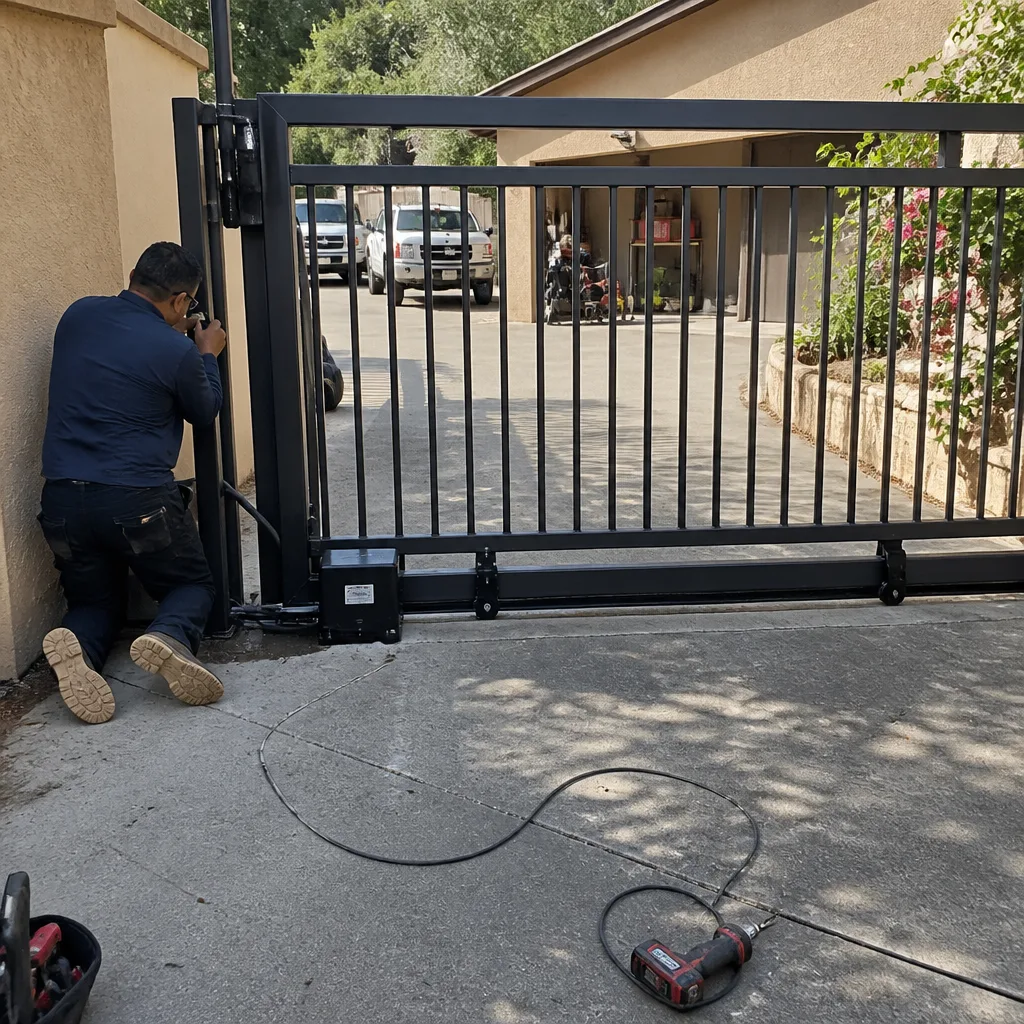
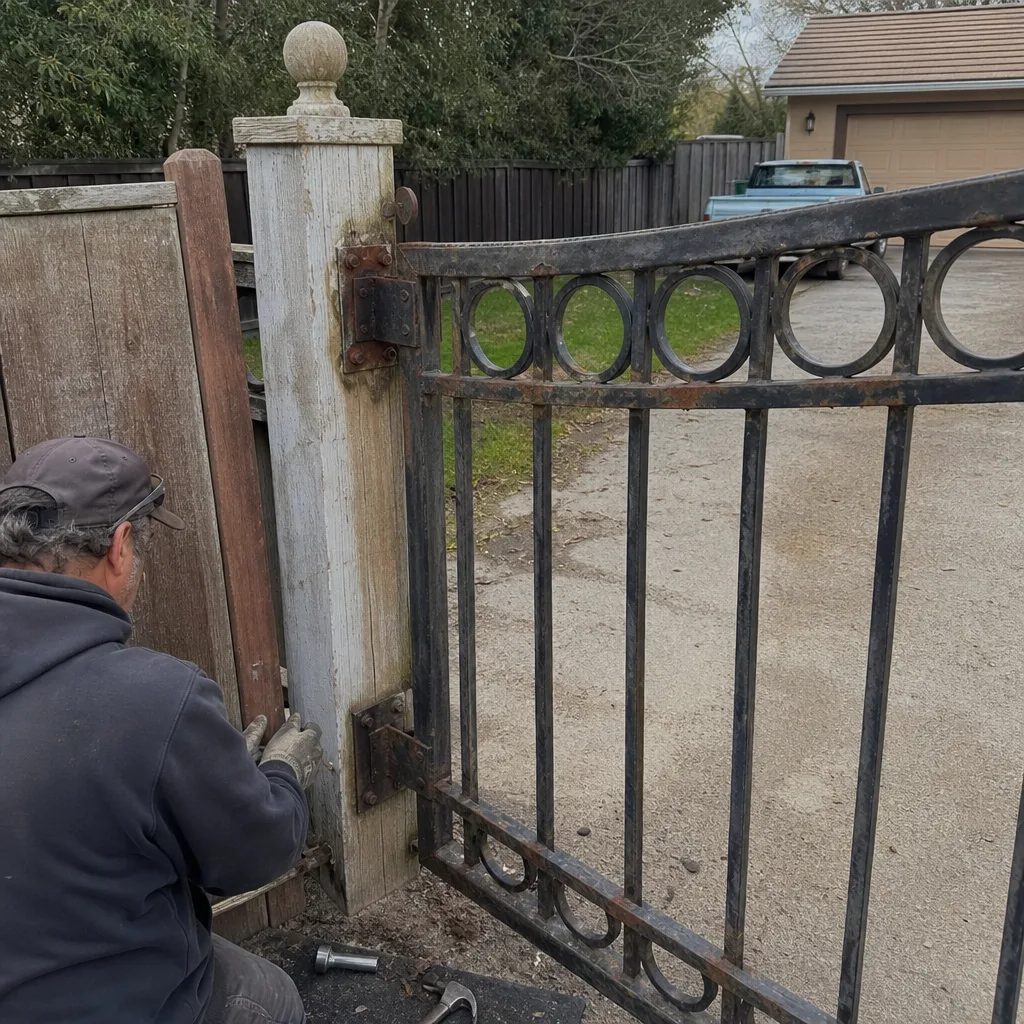
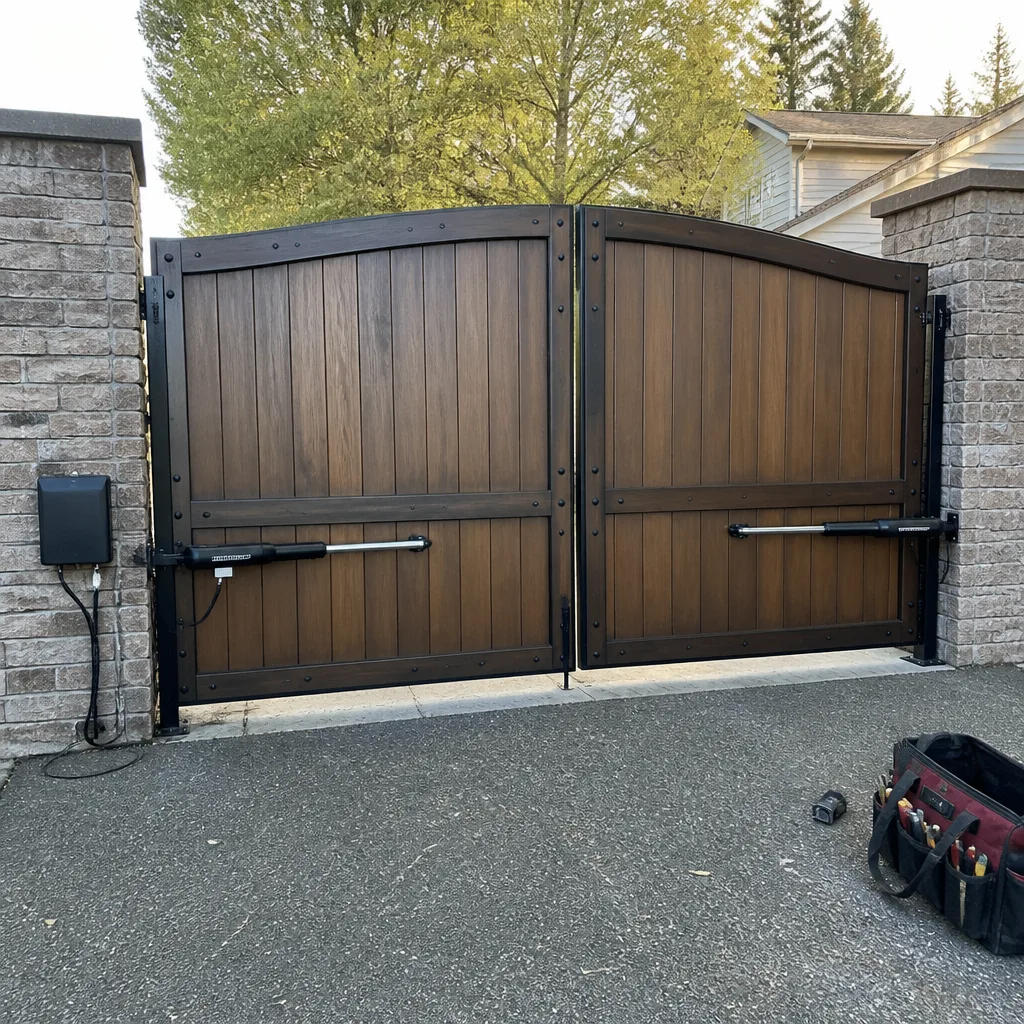
See the difference
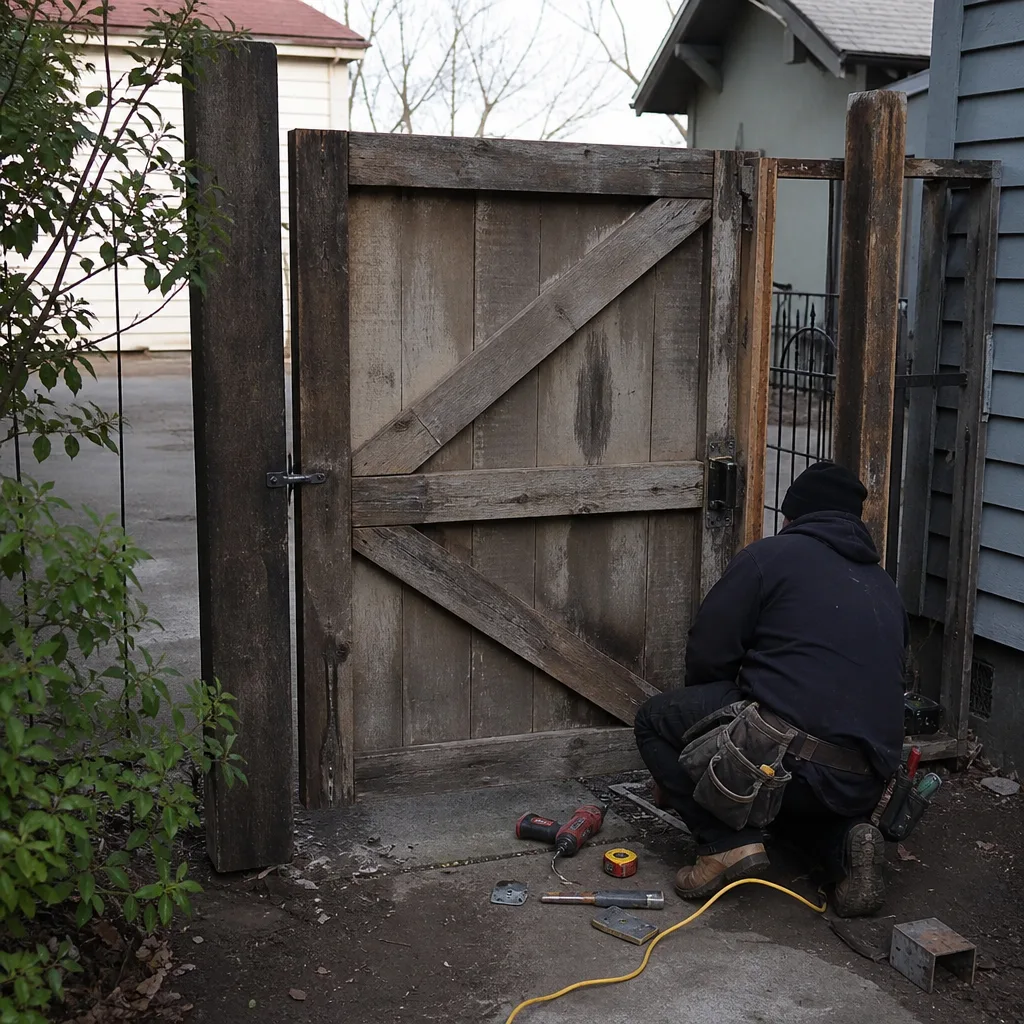 Before
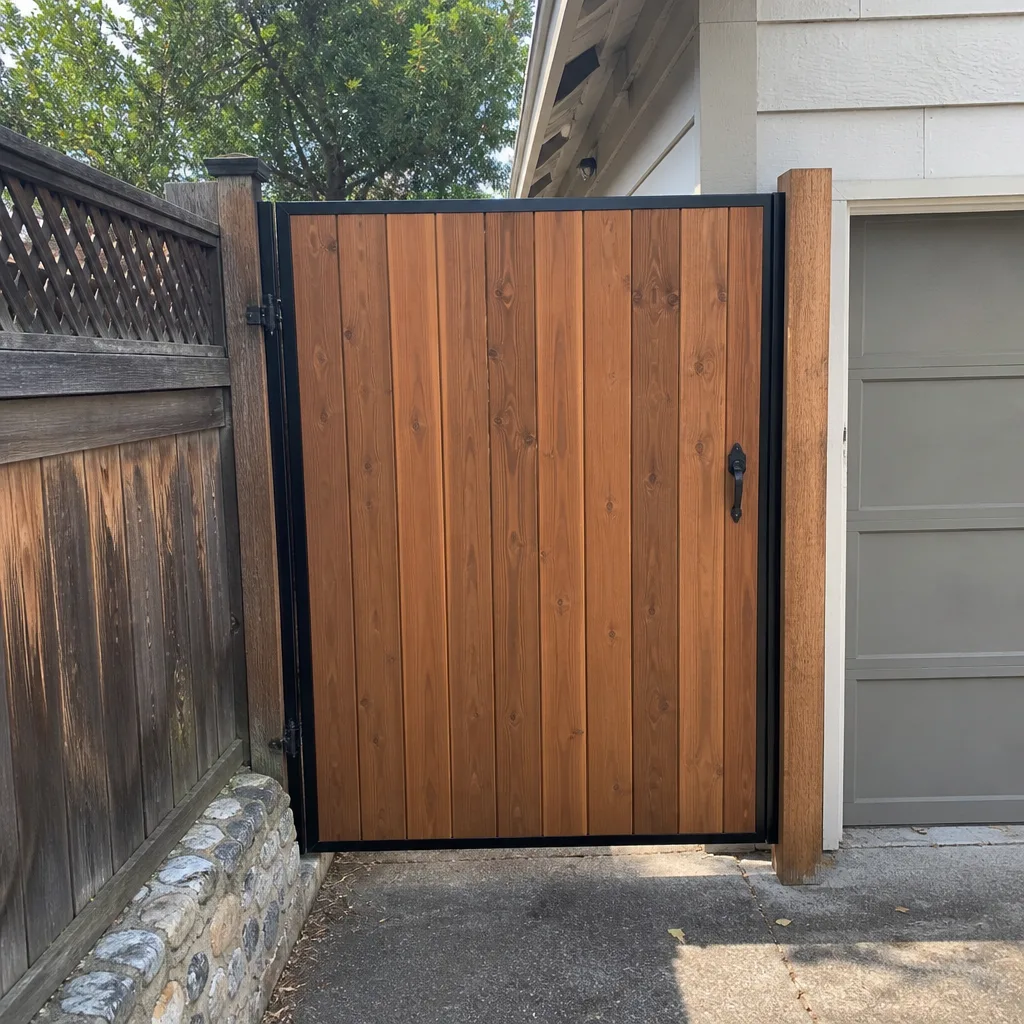 After
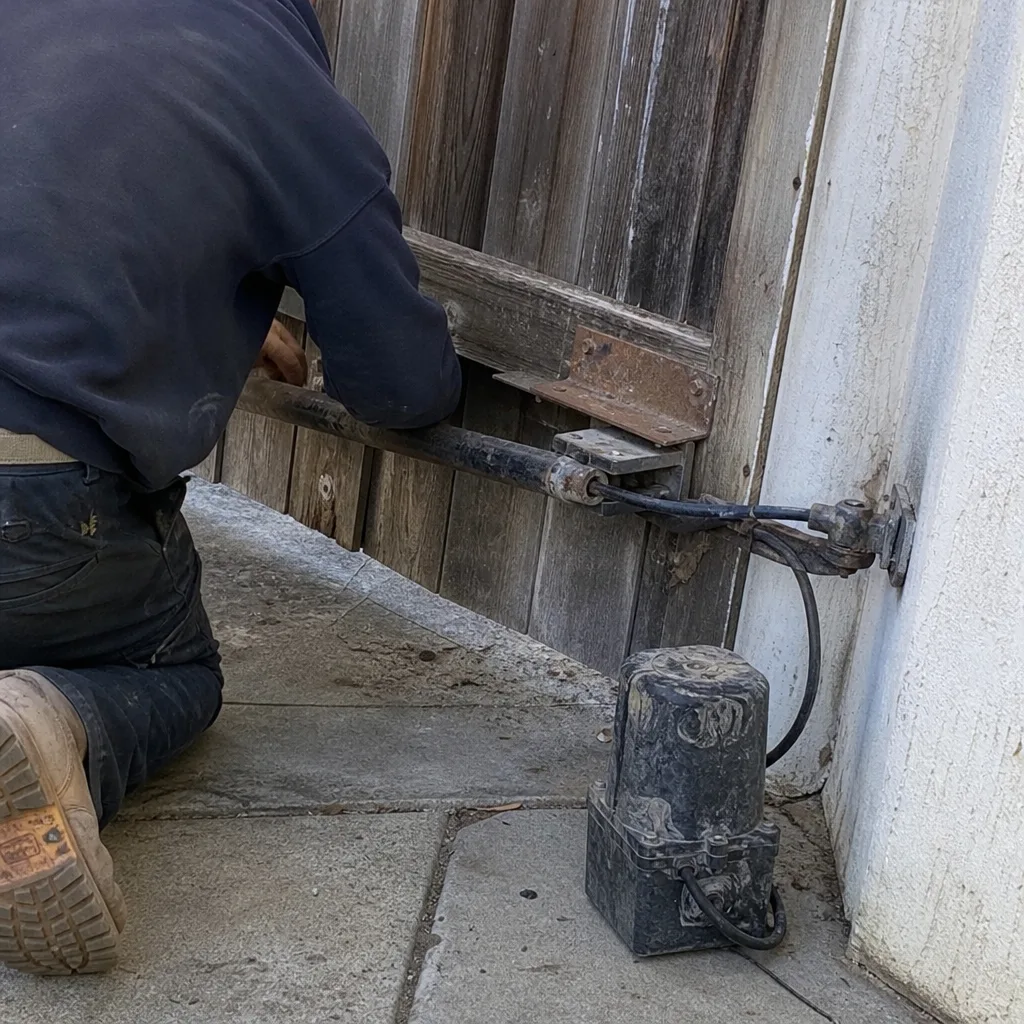 Before
 After
 Before
 After