
Last updated November 2, 2026
 Wrought iron
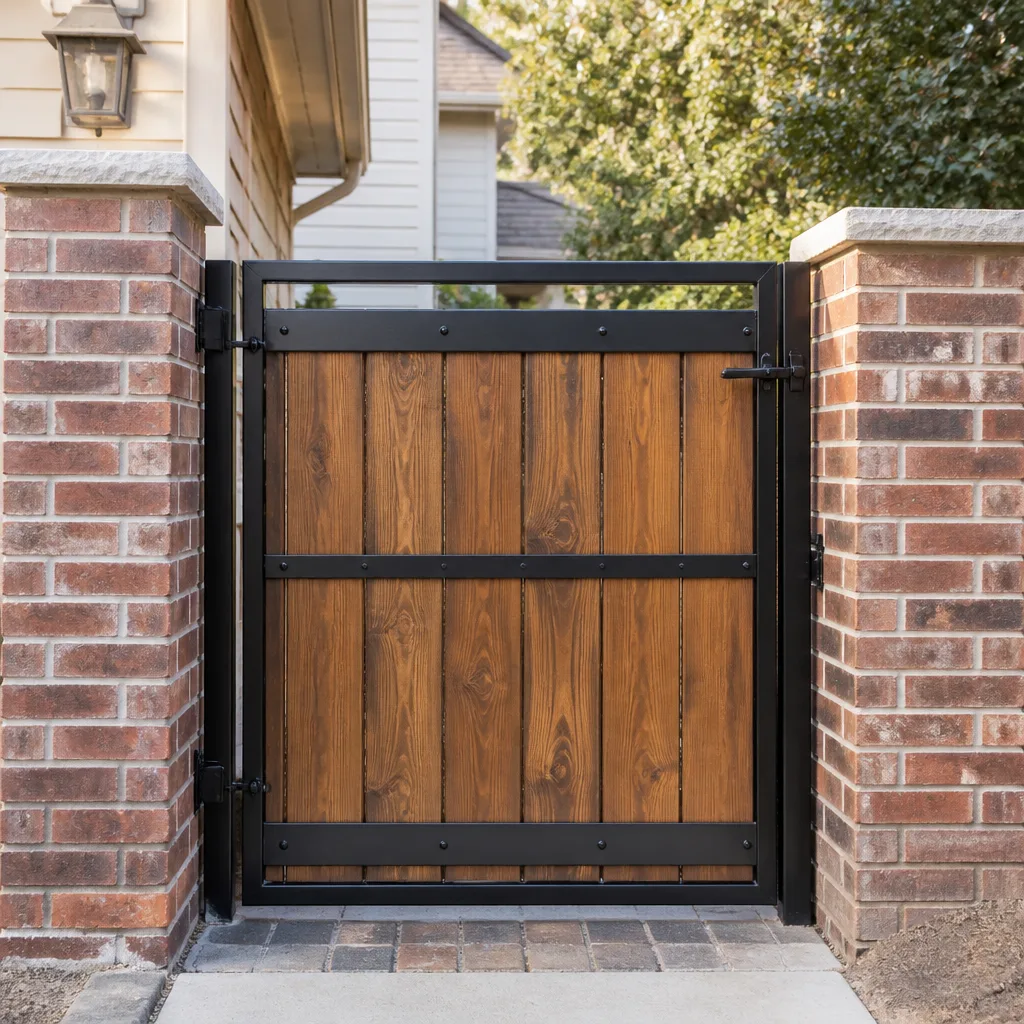 Wood & steel frame
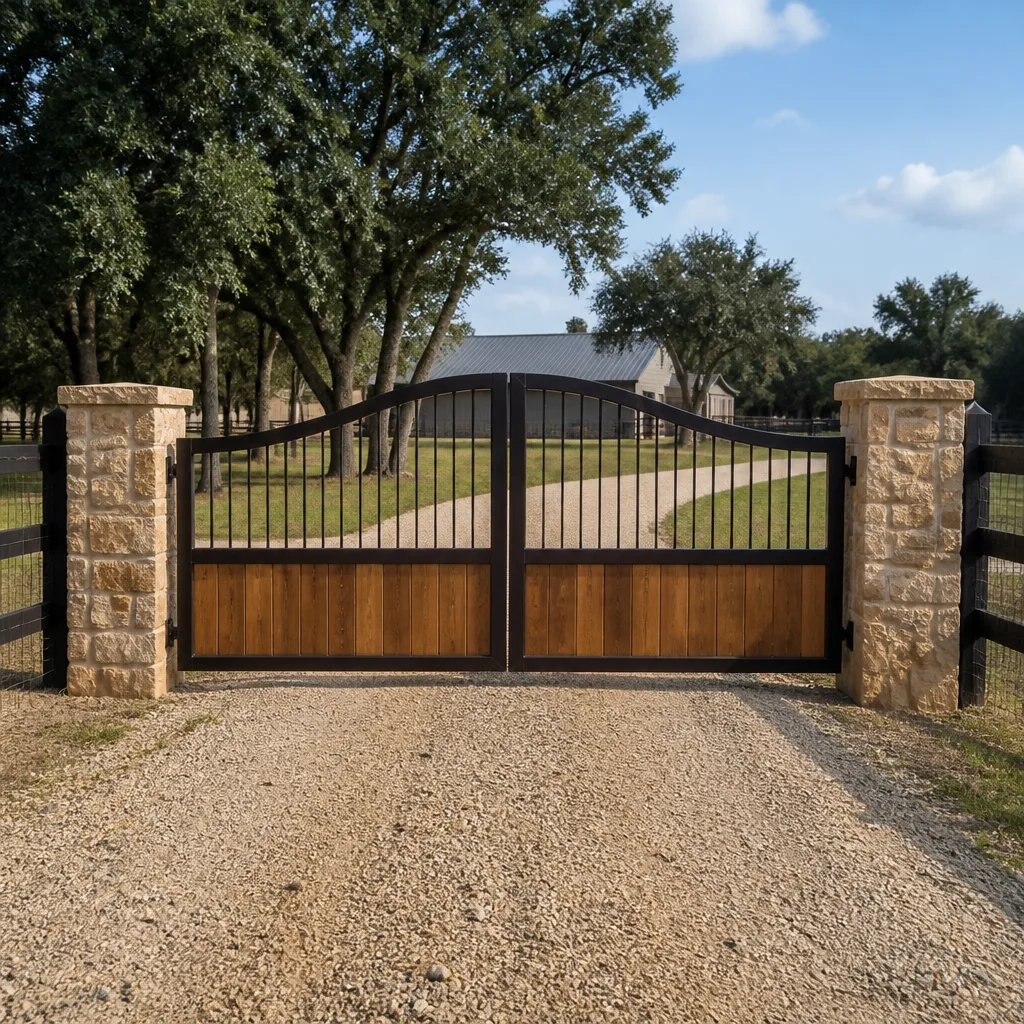 Farm & ranch
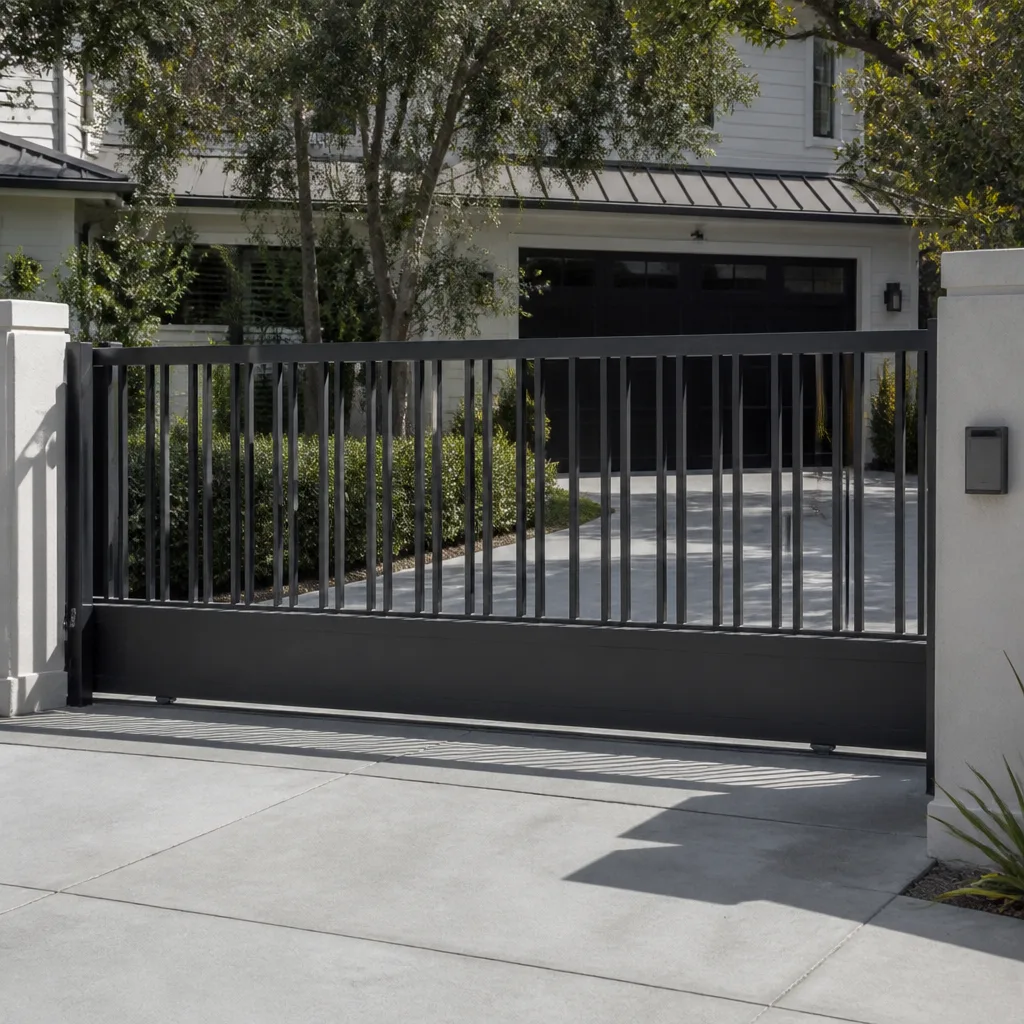 Sliding driveway gates
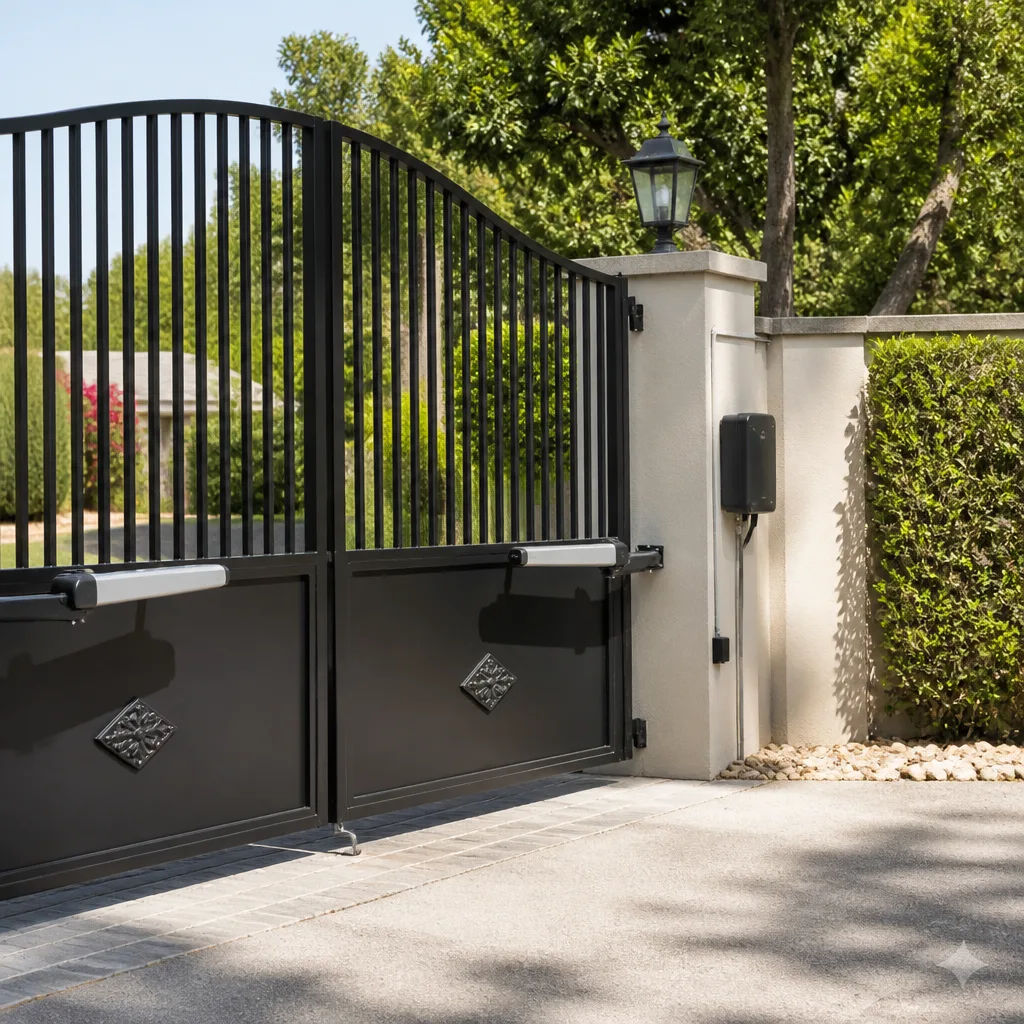 LiftMaster operators
Free on-site gate assessment - hinges, posts, and your LiftMaster or Nice gate operator checked before anything is quoted
The assessment is free and the quote is the invoice.
Get your free estimateGate Repair Permits, Codes & Inspections in CA: What You Need to Know
Here’s a fact that surprises most California property owners: replacing a gate operator with a different model from a different brand can legally require an electrical permit. Not because the work is complex, but because some jurisdictions interpret it as new equipment installation under California Electrical Code Article 625. Get this wrong and you’re facing a stop-work order, a failed insurance claim if something goes wrong, or an inspection headache when you sell the property. This guide draws the line between routine repair, replacement, and permitted installation, with the specific trigger conditions that matter in Crocker-Amazon and surrounding San Francisco neighborhoods. For additional help, see our Gate Repair Troubleshooting: Common Problems and How to Fix Them. We’ll cover UL 325 entrapment requirements, HOA approval layers, voltage class changes, and how to get a straight answer from the San Francisco Department of Building Inspection before anyone touches your gate.
Quick Answer
Most our Gate Repair services in California, including spring replacements, hinge work, sensor alignment, and control board swaps, do not require a building or electrical permit. Permits typically become necessary when you change the operator’s voltage class, modify the electrical panel feeding the gate, install a brand-new automated system where none existed, or replace a like-for-like operator with a different model that draws different amperage. San Francisco DBI uses the criteria outlined below, and UL 325 entrapment protection upgrades are mandatory regardless of permit status.
Styles & brands we work with
- Wrought iron
- Wood & steel frame
- Farm & ranch
- Sliding driveway gates
- LiftMaster operators
Table of Contents
- The Specific Triggers That Convert a Repair Into a Permitted Installation
- What “Like-for-Like Replacement” Actually Means in California
- UL 325 Entrapment Protection: The Code That Applies Even Without a Permit
- HOA Gate Modification Requirements in Crocker-Amazon Communities
- Voltage Class Changes and Panel Modifications: Where the Permit Line Sits
- How to Request a Pre-Project Determination From SF DBI
- What an Inspector Will Look At: Gate-Specific Inspection Points
- Common Mistakes to Avoid
- When to Call a Professional
- Frequently Asked Questions
The Specific Triggers That Convert a Repair Into a Permitted Installation
Here’s the core question every property owner in Crocker-Amazon eventually asks: at what point does fixing my gate become installing a new gate? The answer matters because the California Electrical Code (CEC), enforced locally by the San Francisco Department of Building Inspection, draws the line based on what physically changes on your property, not on how the work feels.
In our experience working on gates throughout Crocker-Amazon, from the residential streets near McLaren Park to the small apartment buildings off Alemany Boulevard, the confusion usually starts when a technician tells a homeowner, “This operator is beyond repair, we’re going to put in a different one.” For early warning indicators, see Gate Repair Warning Signs: A Crocker-Amazon Homeowner’s Reference Guide. That sentence, spoken casually, is where permits enter the conversation.
Here are the specific triggers under San Francisco DBI guidelines:
- Voltage class changes. If your existing gate operator runs on 120V AC and you replace it with a 24V DC unit (or vice versa), you have changed the voltage class of the equipment. This is not a like-for-like swap. Under CEC Article 625 interpretations, this is new equipment installation, and DBI field inspectors have flagged this in residential neighborhoods across Crocker-Amazon.
- Panel modifications. If powering the new operator requires a new circuit, a larger breaker, or a dedicated disconnect that did not previously exist, you are modifying the electrical panel. That work requires a permit. Period. Adding a 20-amp circuit for a commercial-grade FAAC hydraulic operator is not the same as swapping a control board inside an existing enclosure.
- New automated system where none existed. Replacing a manual swing gate with an automated one, whether it’s a Viking swing arm or a BFT underground operator, is a new installation. The physical gate may stay, but you are adding electrical equipment, running new conduit, and possibly adding a keypad, intercom, or loop detector. This requires both a building permit and an electrical permit in most jurisdictions, including San Francisco.
- Structural changes to the gate or posts. Replacing a post, resizing a gate leaf, or changing the hinge layout to accommodate a heavier operator changes the physical structure. If the work involves concrete, welding, or altered load paths, a building permit is generally required.
- Commercial and multi-unit properties have a lower trigger threshold. For apartment buildings, condo complexes, and commercial sites in Crocker-Amazon, DBI and the fire marshal’s office hold to stricter interpretations. A DoorKing entry system replacement at a multi-unit building will almost always trigger an electrical permit because life-safety and egress requirements come into play.
The pattern we see at Gate Repair in Crocker-Amazon is that single-family homeowners rarely need permits for repair work, while commercial property managers almost always do. The line sits somewhere between those two, and the specifics of your gate system determine which side you’re on.
What “Like-for-Like Replacement” Actually Means in California
The phrase “like-for-like replacement” gets thrown around a lot in the gate industry, often with more confidence than accuracy. Here’s what it means legally, what it means practically, and where the ambiguity genuinely lives.
The Legal Definition
California code exemptions generally allow you to replace existing equipment without a permit when the replacement is equivalent in type, rating, and function to the original. The operative word is equivalent. If you remove a 1/2-horsepower linear actuator and install another 1/2-horsepower linear actuator with the same voltage and amperage rating, that’s a like-for-like replacement. No permit needed.
The Practical Reality
The problem is that equipment gets discontinued. A homeowner in Crocker-Amazon with a 2009 Linear operator that died will struggle to find an identical replacement in 2026. The distributor’s inventory moved on, the model line was replaced, and the local supply house carries the newer version. That newer version may draw different current, use a different control board architecture, or require different safety input wiring.
When that happens, you are no longer doing a true like-for-like replacement. In strict code terms, you’re installing new equipment that happens to serve the same function. This is where DBI inspectors may require a permit if they become aware of the work. In practice, thousands of replacements happen every year without a permit, no one gets flagged, and the system works fine. But if a fire, an entrapment injury, or a failed property sale inspection brings that replacement under scrutiny, the missing permit becomes a liability.
Where the Line Is Genuinely Ambiguous
Here’s the honest truth: replacing a Mighty Mule residential operator with another Mighty Mule of the same voltage class is almost certainly fine without a permit. Replacing a Linear slide gate operator with a different brand, different voltage class, and different amperage draw is almost certainly a permitted installation under a strict reading of the code. The gray zone sits between those poles.
Our approach at Electric Gate Repair in Crocker-Amazon is to flag the ambiguity for our customers before work starts, not after the inspector shows up. If there’s genuine doubt, we recommend a pre-project determination, which costs nothing and takes the guesswork out of it.
UL 325 Entrapment Protection: The Code That Applies Even Without a Permit
Here’s the part that catches homeowners off guard: UL 325 compliance is not optional just because no permit is pulled. Underwriters Laboratories Standard 325 governs automatic gate operator safety, and in California, it is incorporated into state law. Every automated gate, whether installed new in 2026 or existing since 1998, is required to meet current UL 325 entrapment protection standards.
The practical effect in Crocker-Amazon is significant. Many gates in the neighborhood were installed in the late 1990s and early 2000s, before the 2001 UL 325 revisions that mandated secondary entrapment protection. Those older systems may rely on a single safety mechanism, often a pressure-sensing edge or a motor current sensor. Modern UL 325 requires two independent means of entrapment protection, typically an external monitored safety device (a photo eye or contact edge) plus inherent motor protection.
When we replace an older operator in Crocker-Amazon, whether it’s a residential Ghost Controls unit or a commercial BFT system, the replacement must meet current UL 325 requirements even if the original did not. That means adding photo eyes where none existed, upgrading contact edges, and ensuring the control board recognizes and monitors those safety devices.
Key UL 325 requirements to know:
- Monitored safety devices. The operator must detect a fault in the safety device, not just fail silently. This applies to photo eyes, contact edges, and loop detectors on automatic close systems.
- Type of entrapment zones matched to protection. A gate moving toward a fixed wall requires different protection than a gate moving toward open space. The setup matters, not just the presence of safety gear.
- Warning signage. UL 325-compliant installations include specific warning placards that must be mounted on both sides of the gate and remain legible.
- Gate speed and force limits. Operators must move gates at speeds and forces that give a person time to clear the path. Setting a Viking operator to maximum speed on a residential driveway violates UL 325.
A permit inspection, when one occurs, will verify UL 325 compliance as part of the gate inspection. But even without a permit, an insurance carrier investigating an entrapment injury will look at UL 325 compliance first. Missing safety devices are both a code violation and a liability exposure.
HOA Gate Modification Requirements in Crocker-Amazon Communities
Crocker-Amazon sits in a part of San Francisco where HOAs are less common than in newer suburban developments, but they do exist, particularly in the multi-unit buildings along Mission Street and the gated communities that have emerged in the neighborhood over the past decade. When an HOA is involved, the permit question gets an additional layer.
HOA approval and city permits are separate requirements. An HOA can approve a gate modification that the city would permit without issue, and the city can issue a permit for work the HOA has not approved. Neither replaces the other. Property owners in gated Crocker-Amazon communities need both.
Common HOA gate modification clauses address:
- Aesthetic matching. Replacement gates, operators, and posts must match the surrounding structures. This is why some HOAs specify a single approved gate brand. We’ve seen HOAs in the area specifically require Viking operators for swing gates, which simplifies diagnosis but limits homeowner choice.
- Access control integration. If the community uses a shared access control system, modifying a single gate may require the property manager to confirm the new operator integrates with the existing keypad, transponder, or intercom system.
- Working hours. Many HOAs restrict noisy work to standard weekday hours. Demolishing old gate posts or running conduit in a shared driveway will fall under those restrictions.
- Contractor requirements. Some HOAs require proof of liability insurance before any contractor works on common-area gates. This is a standard request, not a red flag.
In our experience, the interaction between HOA rules and city permits is most likely to cause delays in Crocker-Amazon’s multi-unit buildings. A property manager will approve the gate work, the contractor pulls a permit, and then the HOA’s architectural review board flags a brand mismatch and the project stalls. Getting HOA written approval before pulling city permits avoids that sequence.
Voltage Class Changes and Panel Modifications: Where the Permit Line Sits
The voltage class question is probably the most overlooked permit trigger in gate work. Here’s why it matters and what it looks like in practice.
Constant-voltage gate operators run on AC power, typically 120V at the motor. Low-voltage operators run on DC power, typically 24V at the motor, fed from a transformer or battery backup system. When a homeowner replaces a 120V AC operator with a 24V DC system, the electrical characteristics of the installation have changed, even if the gate itself moves identically.
Under CEC Article 625, which governs electric vehicle charging but is referenced by DBI for similar low-voltage conversion scenarios, a change in equipment voltage class constitutes new equipment installation. The specific language matters here: it’s not the complexity that triggers the permit, it’s the classification. Replacing a 120V AC Viking operator with a 24V DC Linear actuator is electrically a new installation, and an inspector asked to review that work will treat it as one.
Panel modifications are more clear-cut. If the new operator requires a dedicated breaker that doesn’t exist, the work calls for an electrical permit. Running new conduit, adding a subpanel, or converting a shared circuit to a dedicated one are all permitted work. This matters because newer commercial-grade operators draw more power than the residential units they sometimes replace. A FAAC hydraulic operator on a Crocker-Amazon commercial gate will almost always require more electrical capacity than the 2000s-era residential operator it replaced.
Here’s the practical tool we use to assess whether a permit is likely required:
- Check the existing operator’s voltage rating. Look at the nameplate. 120V AC or 24V DC?
- Check the replacement operator’s voltage rating. If it differs, you are in permit-trigger territory.
- Compare amperage draw. Even within the same voltage class, a higher amp draw may require a larger breaker or thicker wiring.
- Look at the panel. Does the circuit exist already? Is there space for a new breaker? Is the conductor gauge adequate?
- If any answer raises a flag, request a pre-project determination from DBI. The process is free and described below.
When we perform a Gate Installation in Crocker-Amazon, our technicians review the existing electrical setup before any equipment gets ordered. This catches voltage mismatches early, before the customer has paid for an operator that will require expensive electrical work to support.
How to Request a Pre-Project Determination From SF DBI
If you’re unsure whether your gate repair or replacement needs a permit, San Francisco DBI offers a pre-project determination process. It’s free, it’s relatively fast, and it removes the guesswork. Here’s how it works, step by step.
- Gather your documentation. Take clear photos of the existing gate, the operator (including nameplate showing voltage and amperage), the electrical panel, and the surrounding site. Write down the equipment model numbers and your property address.
- Contact DBI’s permit center. San Francisco’s Department of Building Inspection operates a permit center at 49 South Van Ness Avenue. You can call their main line or visit in person. Third-party expeditors are not necessary for a simple determination request.
- Describe the proposed work clearly. Use the language from this guide: like-for-like replacement, voltage class change, new operator, panel modification. The clearer your description, the more useful the answer.
- Ask for the determination in writing. If DBI staff respond verbally, request an email so you have a record. This protects you if an inspector later takes a different position.
- Apply for a permit if the determination requires one. The permit application itself can be filed online through DBI’s portal. Electrical permits for gate work are typically issued over the counter for simple projects.
A pre-project determination takes the risk out of a gray-area replacement. In Crocker-Amazon, where many homes have older operators that predate current code, this step is worth the time. We recommend it to our customers whenever there’s doubt, because a determination letter protects both sides of the transaction.
What an Inspector Will Look At: Gate-Specific Inspection Points
When a gate installation in Crocker-Amazon does undergo inspection, the inspector’s checklist looks different from a general electrical inspection. Gate-specific inspection points include:
- UL 325 compliance. The inspector will verify that monitored safety devices are present and functional, that entrapment zones have proper protection, and that warning signage is installed. Missing photo eyes or unmonitored contact edges are common failures.
- Disconnect location. The gate operator’s electrical disconnect must be within line of sight of the operator and clearly marked. Installing the disconnect inside a locked enclosure that requires a key to reach is a failure.
- Conduit and wiring depth. Conduit running from the power source to the operator must be buried at the correct depth, and the conductor gauge must match the operator’s current draw. Shallow conduit is a common bootleg installation finding in older Crocker-Amazon properties.
- Grounding and bonding. Metal gate frames must be bonded per CEC requirements. This is an easy item to miss on a retrofit, and inspectors do check it.
- Vehicular vs. pedestrian separation. If the gate provides both vehicle and pedestrian access, the pedestrian path must be separated from the vehicle gate, or the vehicle gate must have appropriate safety devices covering the pedestrian zone. This matters in multi-unit Crocker-Amazon buildings where a single gate serves both paths.
- Access control integration. For commercial and multi-unit properties, the inspector will confirm the gate’s access control system, whether it’s a keypad, card reader, transponder, or intercom, is integrated and functioning.
We’ve walked inspections in San Francisco where the gate operator itself was installed perfectly, and the inspection still failed because the disconnect was out of line of sight or the warning placard was missing. These are cheap to fix but expensive to re-inspect.
Common Mistakes to Avoid
- Assuming all operator replacements are exempt from permits. The voltage class change and panel modification triggers outlined above mean some replacements are not exempt. A different brand with different electrical characteristics may require a permit even if the gate itself stays put.
- Skipping UL 325 safety upgrades on an older gate. Replacing the operator on a 2001-era gate in Crocker-Amazon without adding modern monitored safety devices is both a code violation and a liability exposure. The old setup may have “worked fine for 20 years,” but insurance carriers and inspectors evaluate against current standards.
- Getting HOA approval after pulling a city permit. When an HOA rejects the gate brand or aesthetic after DBI has already issued a permit, the project stalls and the property owner pays for the delay. HOA written approval should come first in multi-unit properties.
- Treating “like-for-like” as a brand match. Replacing a LiftMaster with a different LiftMaster model is not automatically a true like-for-like replacement. Voltage, amperage, and function must all match before the permit exemption is clear.
- Forgetting the disconnect rule. The disconnect must be line-of-sight and accessible. Installing it in a locked room, inside a sealed enclosure, or behind the gate leaf will fail inspection if one occurs.
- Assuming commercial and residential thresholds are the same. Commercial properties in Crocker-Amazon, including multi-unit apartment buildings, have a lower trigger for required permits than single-family homes. The fire marshal’s egress requirements apply.
When to Call a Professional
If your gate repair involves a voltage class change, a panel modification, or a replacement operator that draws different amperage than the original, you need both an electrician and a gate specialist. The electrician handles the permitted electrical work, and the gate specialist handles the operator, safety devices, and mechanical components. Attempting to handle the electrical portion without a permit, or the UL 325 compliance without technical knowledge, creates liability you will not discover until something goes wrong.
If the operator is from one of the brands we work on regularly, FAAC, BFT, Linear, Viking, and the repair or replacement is within the same voltage class and existing circuit capacity, you can often proceed without a permit and without an electrician. The mechanical and control work is within our scope as a dedicated gate specialist. The electrical panel work is not, and any reputable gate contractor will tell you the same.
Gate Repair Crocker-Amazon offers free estimates in Crocker-Amazon. Call (833) 842-7897 and we will assess your gate’s permit requirements and provide a written recommendation before any work begins.
Frequently Asked Questions
Most like-for-like replacements, where the new operator matches the original in voltage class and amperage draw and no panel modifications are needed, do not require a permit under California code. A permit is generally required when the voltage class changes, a new circuit or breaker is added, or the operator is installed on a gate that was previously manual. When in doubt, request a pre-project determination from your local building department.
UL 325 is the national safety standard for automatic gate operators, and in California it applies to every automated gate regardless of installation date. Existing gates that predate current standards are required to be upgraded to meet modern entrapment protection requirements whenever the operator is replaced. This means adding monitored safety devices and proper warning signage, even if no permit is required for the replacement.
You can replace a like-for-like operator yourself without a permit if the voltage class and amperage match and no panel work is involved. However, UL 325 safety compliance is still required, and incorrect installation of safety devices, limit settings, or force adjustments creates a serious entrapment risk. For anything beyond a simple board or limit switch swap, a professional gate specialist is the safer route. Call (833) 842-7897 for an assessment, estimates are free.
Yes, in one specific way: if a gate-related injury or fire occurs and the gate was modified without required permits or without UL 325 compliance, your insurance carrier may deny the claim under an unauthorized modification exclusion. Permitted work and compliance documentation protect you, and the insurance question is one of the most common reasons property owners in Crocker-Amazon cite for getting the permit question right before work starts.
A building permit covers structural changes to the gate, posts, and surrounding fixtures, while an electrical permit covers wiring, conduit, circuit changes, and voltage class alterations. Most automated gate installations that trigger permits require only an electrical permit, since the structural gate itself is not changing. Projects that involve new posts, new concrete, or resized gate leaves require both.
Check your HOA’s architectural review guidelines for language about gates, operators, or common-area modifications. In Crocker-Amazon, HOAs are most common in multi-unit buildings along Mission Street and in newer gated communities, and those HOAs typically have explicit approval processes for any visible change to a gate or its operator. Written HOA approval should come before any city permit application, because approval and permit requirements are separate and both must be satisfied.
The Bottom Line
Most gate repair work in California needs no permit, and the panic around gate permits is largely misplaced. For further reading, explore our more guides & resources. The situations that do require permits are specific: voltage class changes, panel modifications, new automated installations, and certain commercial or multi-unit replacements. UL 325 safety compliance is a separate requirement that applies whether or not a permit is pulled, and HOA approval is a separate layer that applies where an HOA exists. The right approach is to identify your specific trigger conditions, request a free pre-project determination from DBI when there’s doubt, and never skip the safety upgrades on an older gate just because a permit isn’t required. Get those basics right and your gate project in Crocker-Amazon will be code-compliant, insurable, and safe.
If you’re uncertain whether your gate repair or replacement needs a permit, start with a phone call. We assess gate permit requirements as part of our standard estimate process, and we will tell you honestly whether the work requires a permit or can proceed without one. Call (833) 842-7897 for a free estimate in Crocker-Amazon.
Written by the team at Gate Repair Crocker-Amazon home, serving Crocker-Amazon since 2016.
See the difference
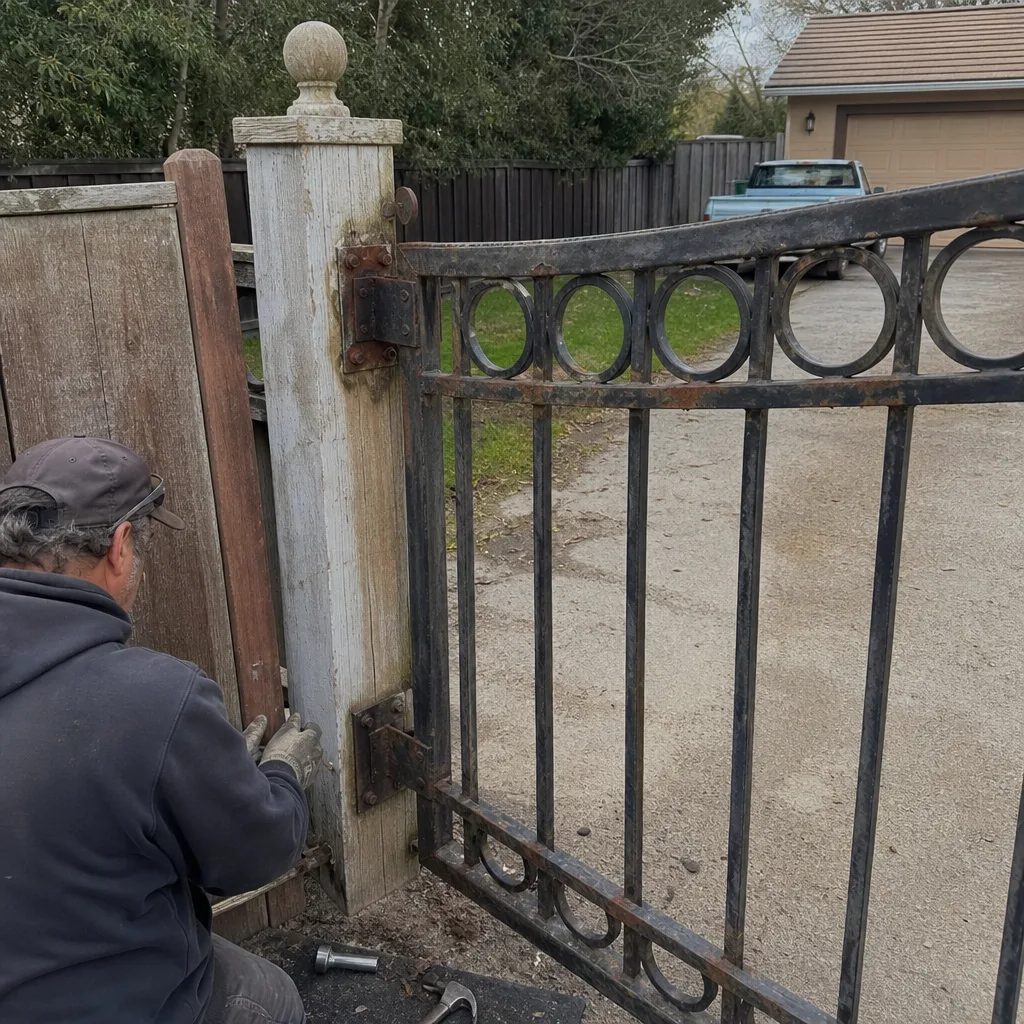
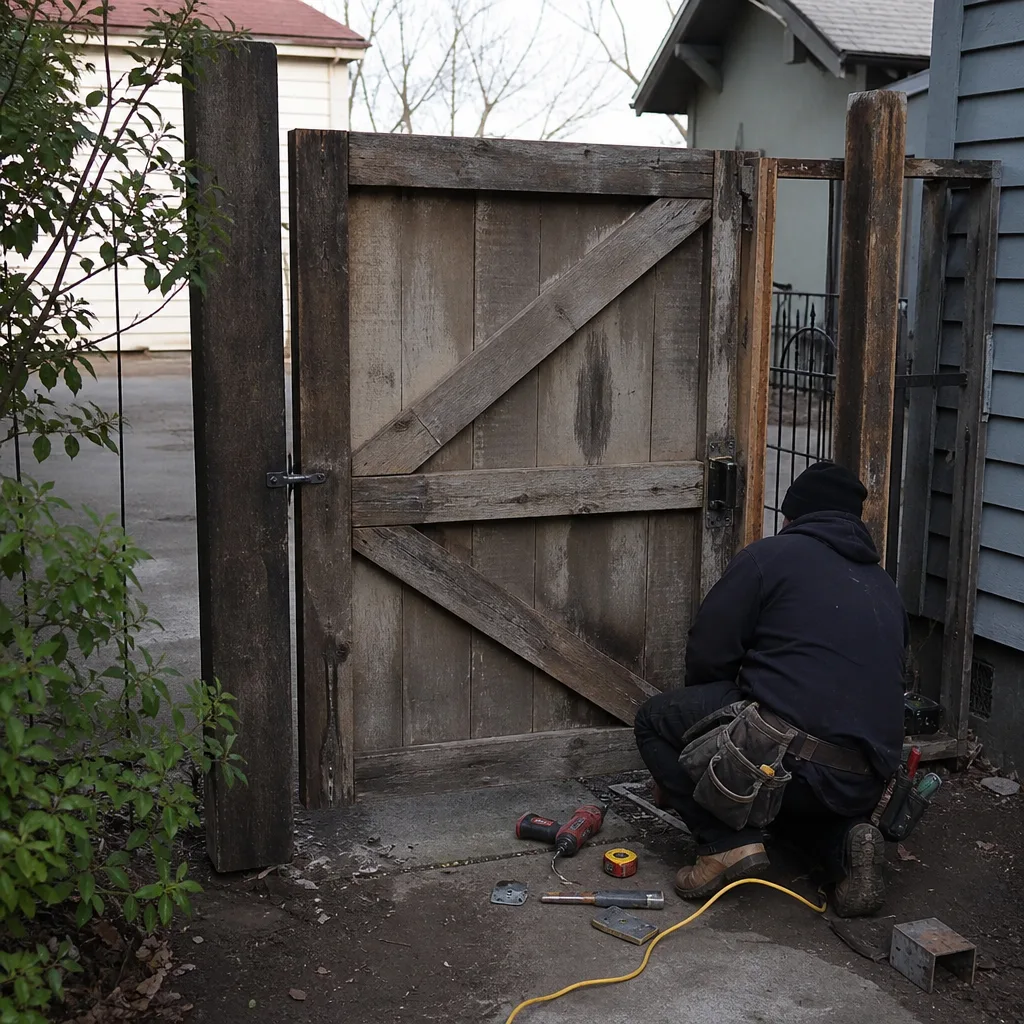 Before
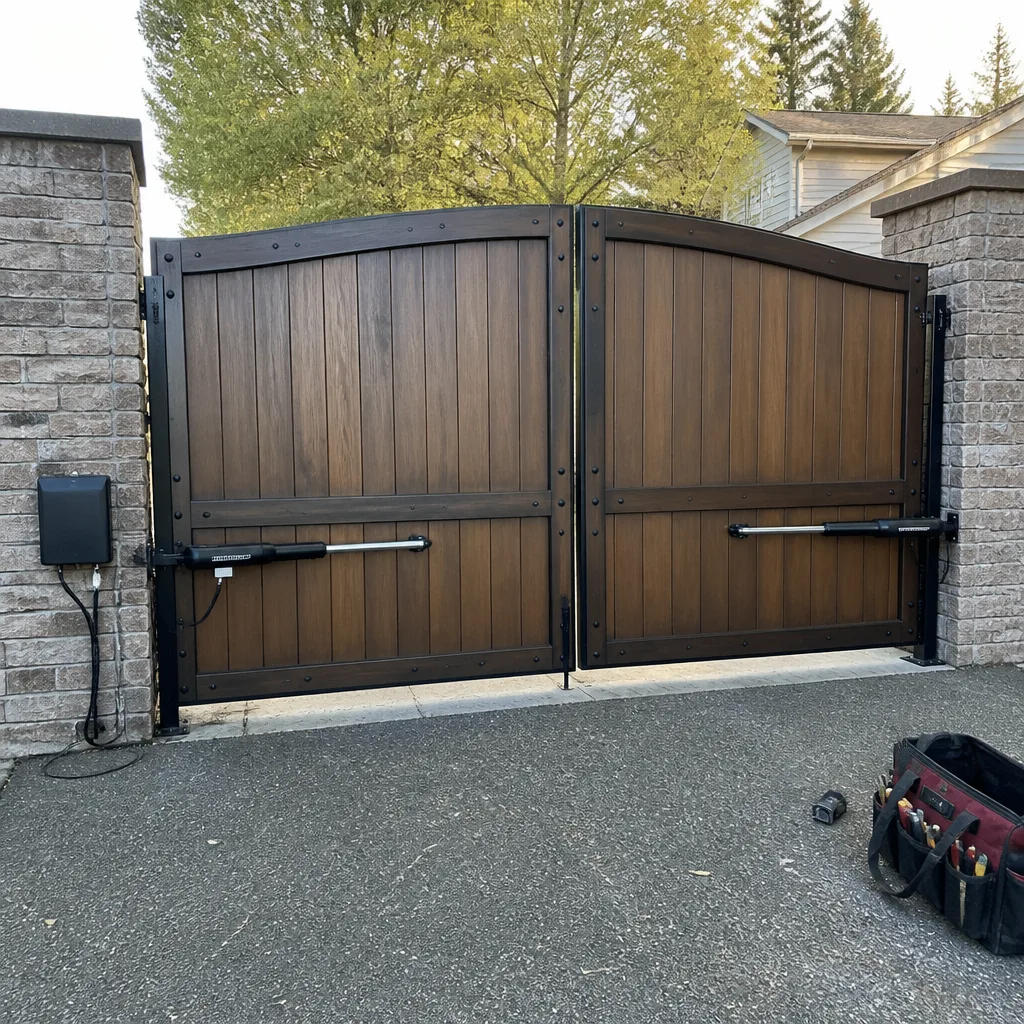
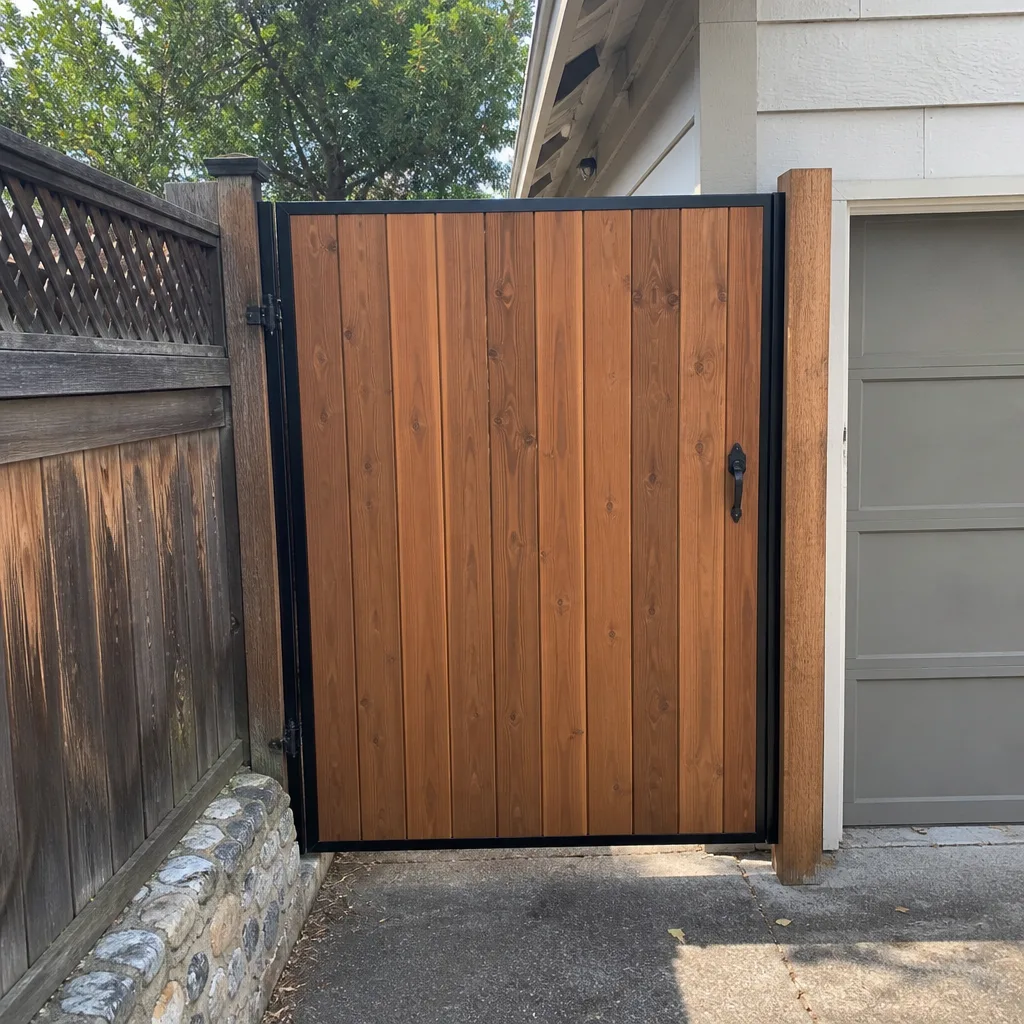 After
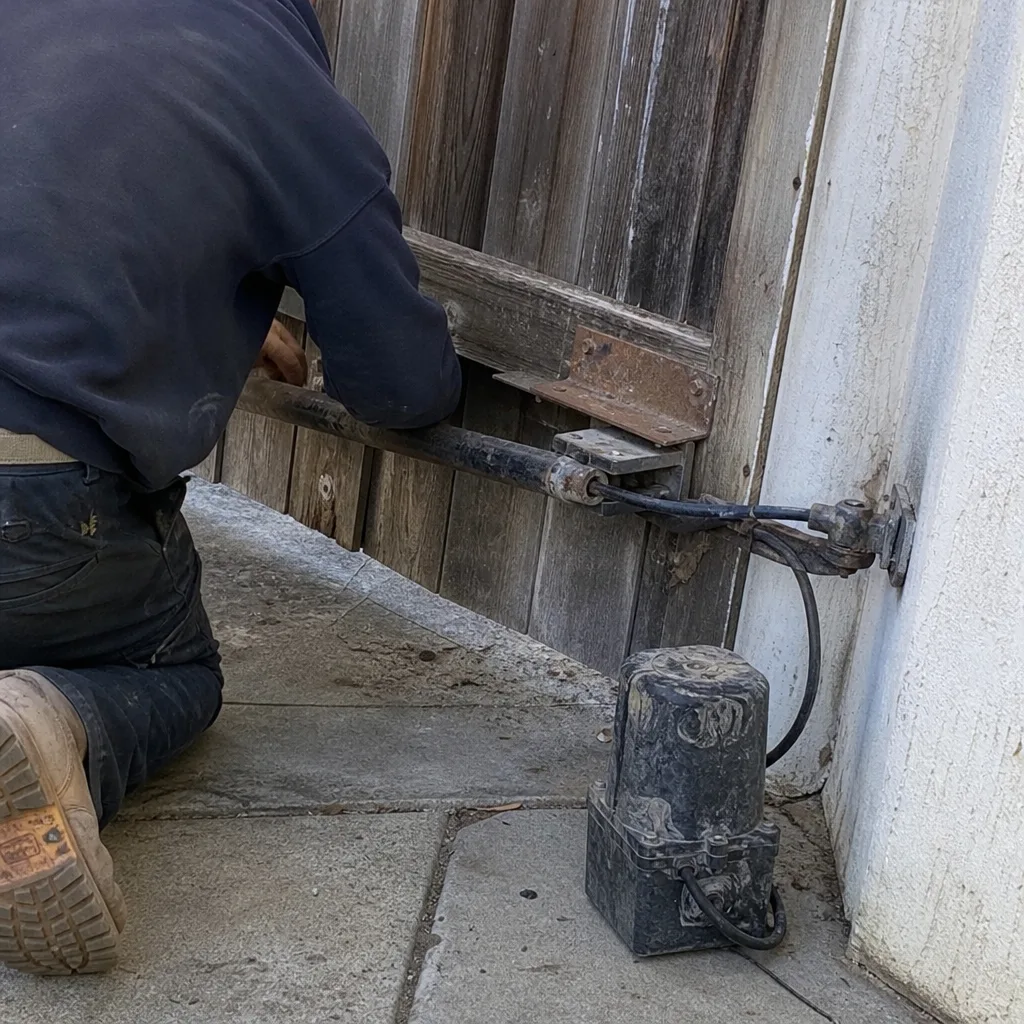 Before
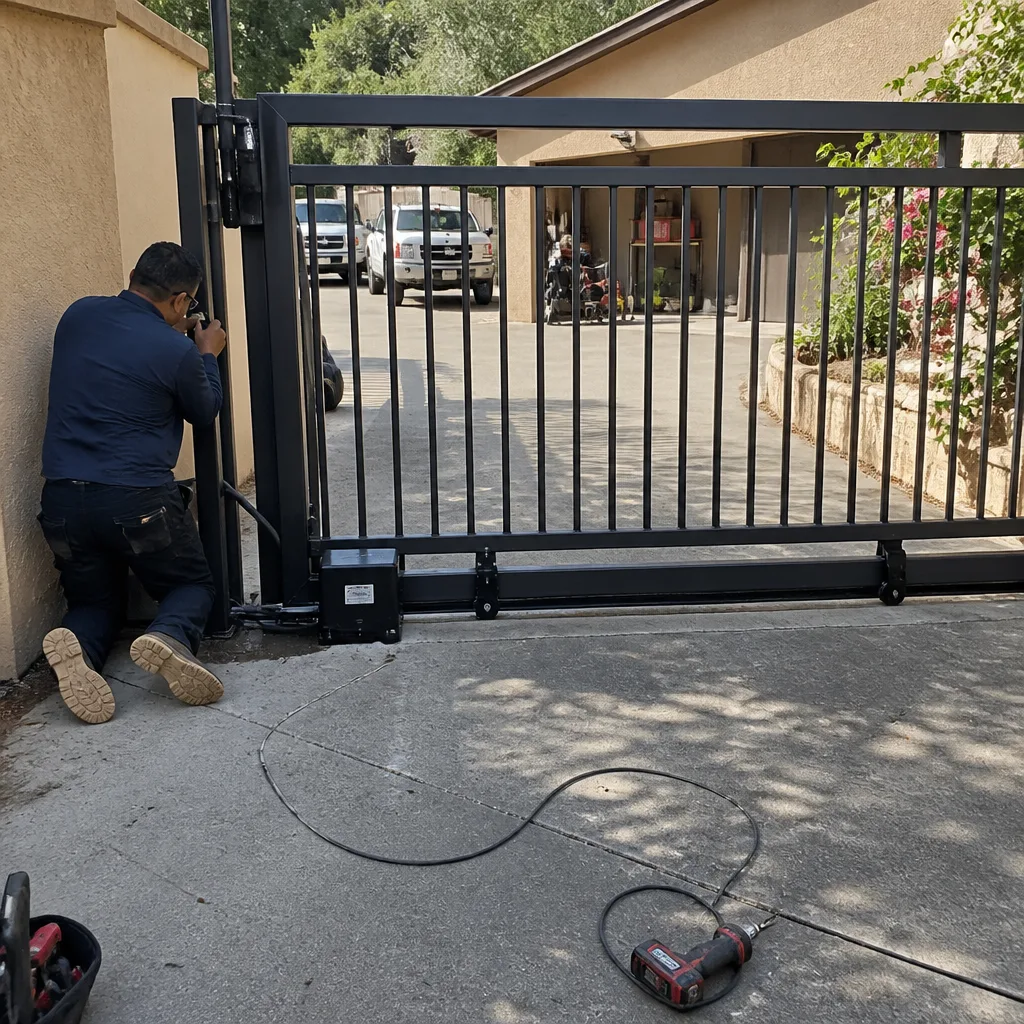 After
 Before
 After